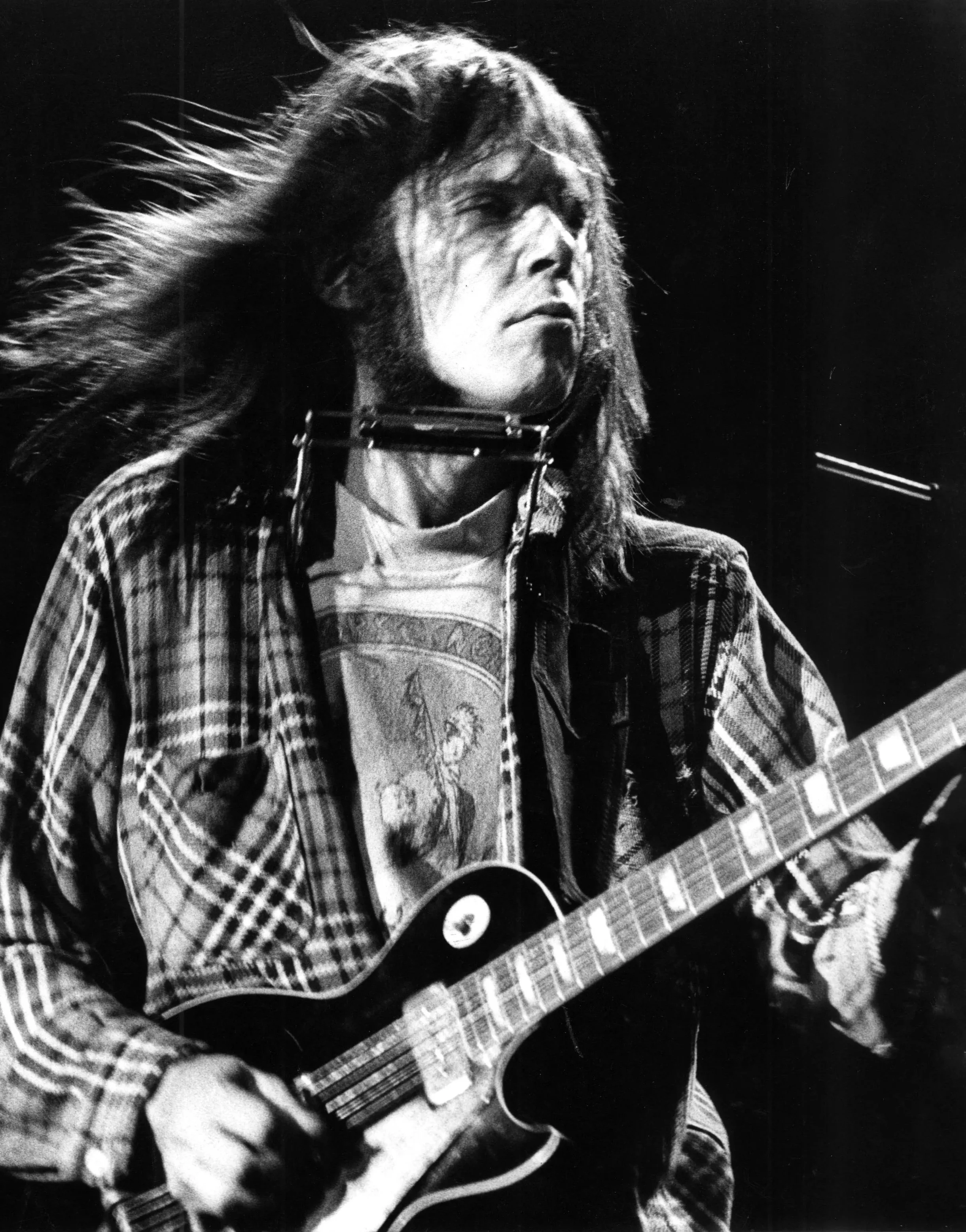
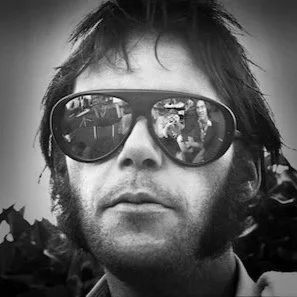
Neil Young, Copenhagen, Denmark in 1976
Time Fades Away
Neil Young
8.
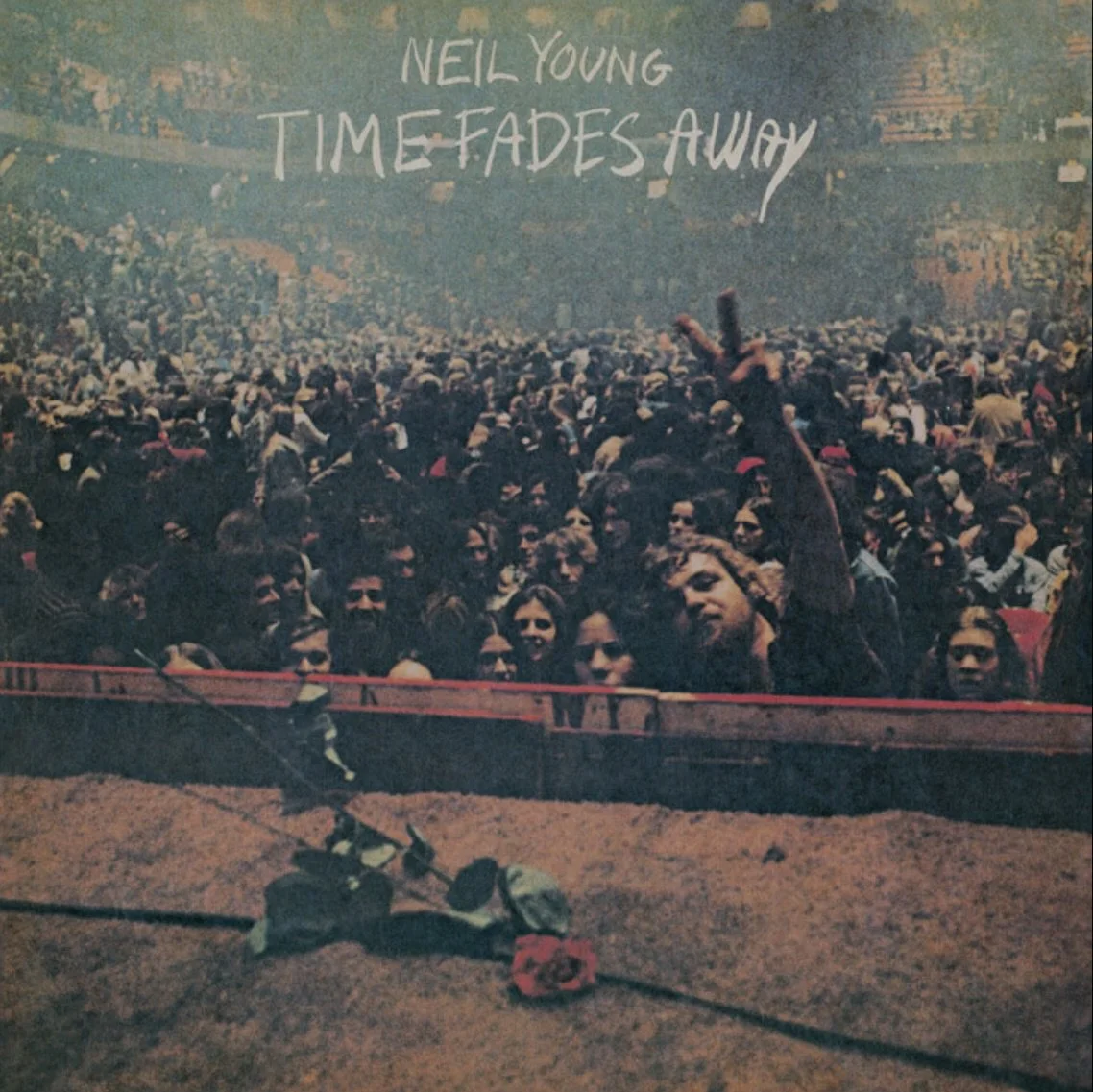
Neil Young got the call about Danny Whitten's death between midnight and 1 a.m.. 'It was the Los Angeles Police Department,’ remembers Carrie Snodgress. ‘They had found a white male, no identification, just a note with Neil’s phone number…. It’s somethin’ Neil will carry with him to the grave.’ Young had done everything he could to help his friend. Rehearsals for the Time Fades Away tour at Broken Arrow ranch had been going badly, with Whitten barely able to stand up straight. Between rehearsals, determined to rehabilitate his friend, Young made visits to Danny's trailer. But he was beyond help. The day after Danny’s death, Young wrote ‘Don’t Be Denied’, which set out key events in the guitarist's life.
Time Fades Away, an eight-track live album, saw Young swerve away from the ‘middle of the road’ of Harvest and into the ‘ditch’, as he put it on the liner notes for Decade. ‘I think it’s the worst record I ever made,’ Young said later, ‘but as a documentary of what was happening to me, it was a great record.’ And that was the point. The quality might not be up there with the peak of the 1968-1975 canon, but the album’s live documentation of raw feeling was new, and on his next two ‘ditch’ albums, would produce even more potent results.
Neil Young
Neil Young
7.
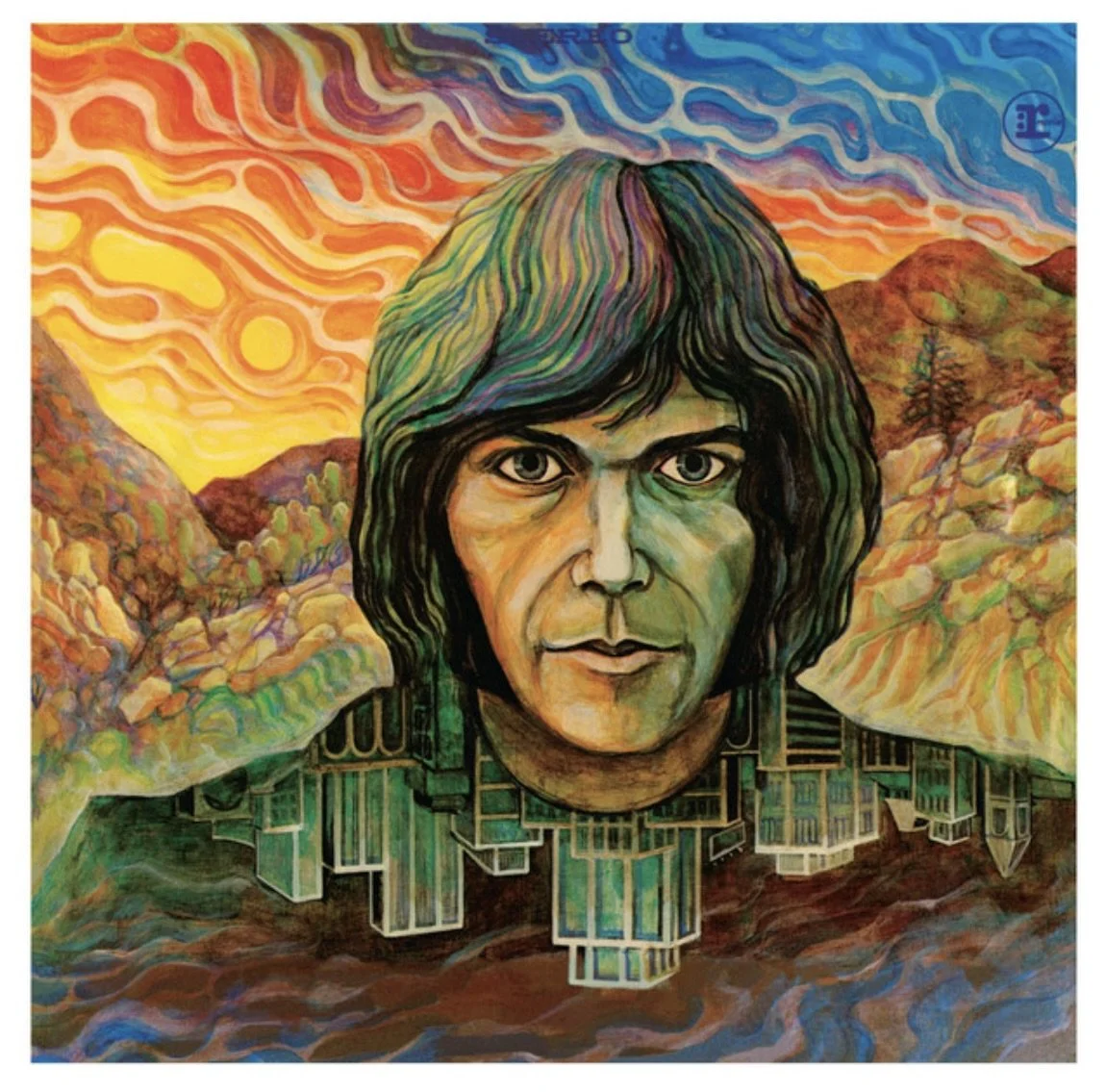
Given the emotional turmoil to come — and the accompanying swerve into the ‘ditch trilogy’ — Neil Young’s debut solo album sounds bright and poppy, baroque and worn smooth, sweetly stoned rather than raucously drunk. ‘We had a lotta fun making that record,’ producer David Briggs remembers. ‘We’d get up, smoke a joint, cruise down Mulholland all the way to Hollywood. We’d work in one studio for three hours, then go to another…. It was beautiful.’
Of the 1968-1975 period, Neil Young is the most heavily produced album. Jigsawed together with overdubs, there are two instrumentals, string arrangements and, on ‘The Old Laughing Lady’ and ‘I’ve Loved Her So Long', ragged female backing vocals. On ‘I’ve Been Waiting for You’ we have a riff which, had the guitar simply gone through a distortion pedal, would have sounded almost as big and tough as that on ‘Cinnamon Girl’.
Over the next few years, Young would bear witness to the souring hippie dream, but his debut is still partially bathed in the late 1960s countercultural sunshine. There’s a lazy psychedelic mood to ‘What Did You Do to My Life?’ and ‘If I Could Have Her Tonight’ could have found a home on The Byrds’ The Notorious Byrd Brothers. 'We got tones nobody’s ever got except Hendrix’, Briggs later enthused. While the vast majority of it works, the album sounds like an artist searching for a clear direction. It wouldn't be long before Young found it with the realisation that less was more.
Zuma
Neil Young, Crazy Horse
6.
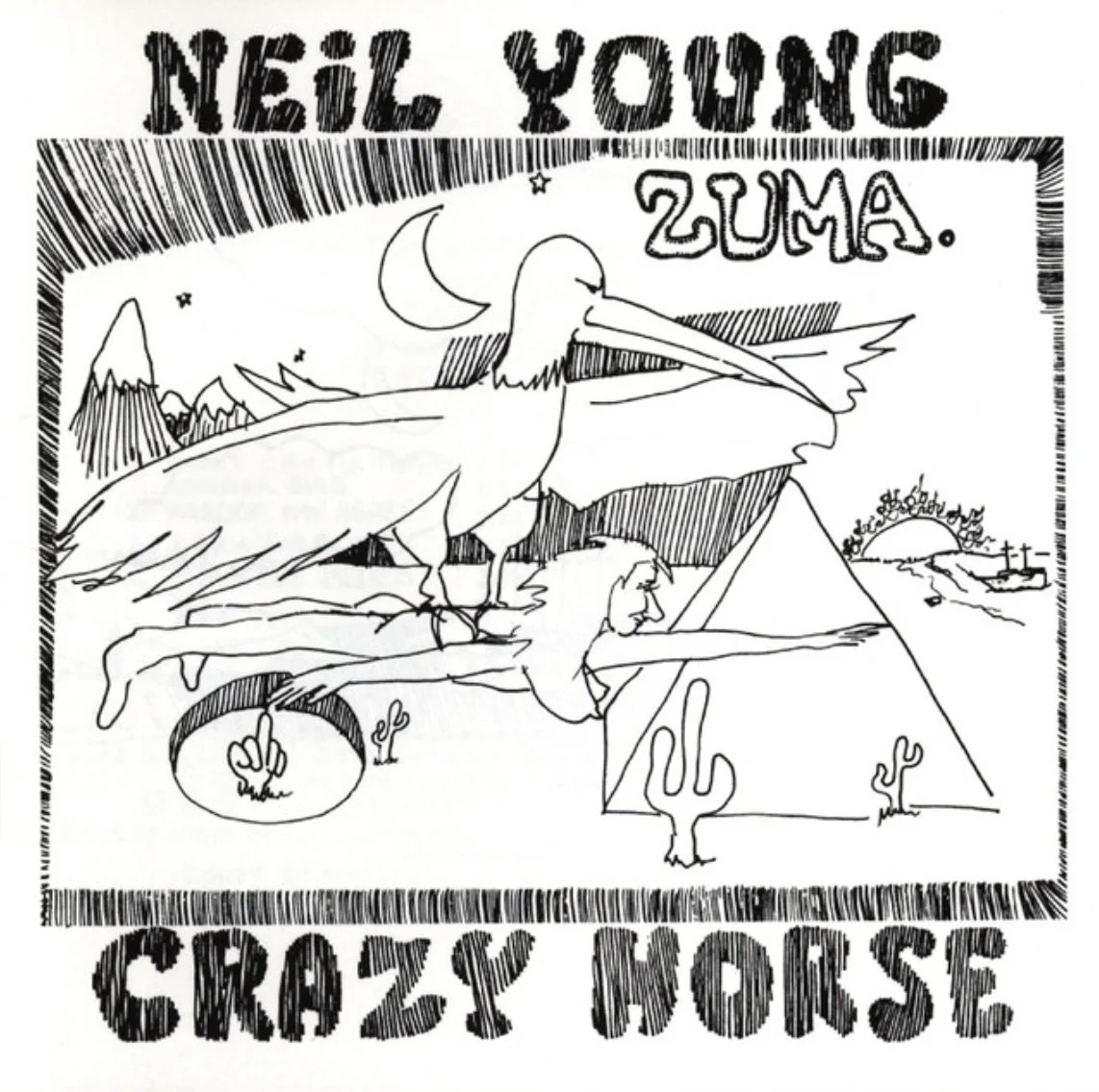
Malibu provided the perfect milieu for Neil Young to record an album in the middle of the 1970s. The Band had their Shangri-La studio nearby, Bob Dylan had a house up the road and Rod Stewart was on the periphery of the wildly hedonistic scene, presumably being Rod Stewart. ‘It was a perfect situation for good times,’ Young remembers in Waging Heavy Peace: A Hippie Dream. He and Crazy Horse played all day and partied all night. Dylan dropped by and sang a blues tune at one point, and Keith Moon was discovered comatose on the beach one morning wearing a Nazi uniform.
Zuma witnessed Young emerging from the ‘ditch’ of the previous three albums with a brighter, cleaner sound. ‘I was getting past the lost relationship with Carrie,’ Young said, ‘living the life with my best friends, making some good music, and starting to get a grip on something.’ There's a little venom on ‘Don’t Cry No Tears’ and ‘Stupid Girl’, a softer reflection on break-up on ‘Pardon My Heart’ and a clear sense of moving forward on ‘Lookin’ for a Love’.
The nocturnal, rehearsal-free sessions for Tonight’s the Night seem to have sated Young’s appetite for warts-and-all live recording. But there is still plenty of dirty rock guitar here. Clocking in at 7.30, ‘Cortez the Killer’ features one of Neil Young’s greatest guitar solos, part laser-guided, part distorted textures and wholly driven by his unique feel.
Harvest
Neil Young
5.
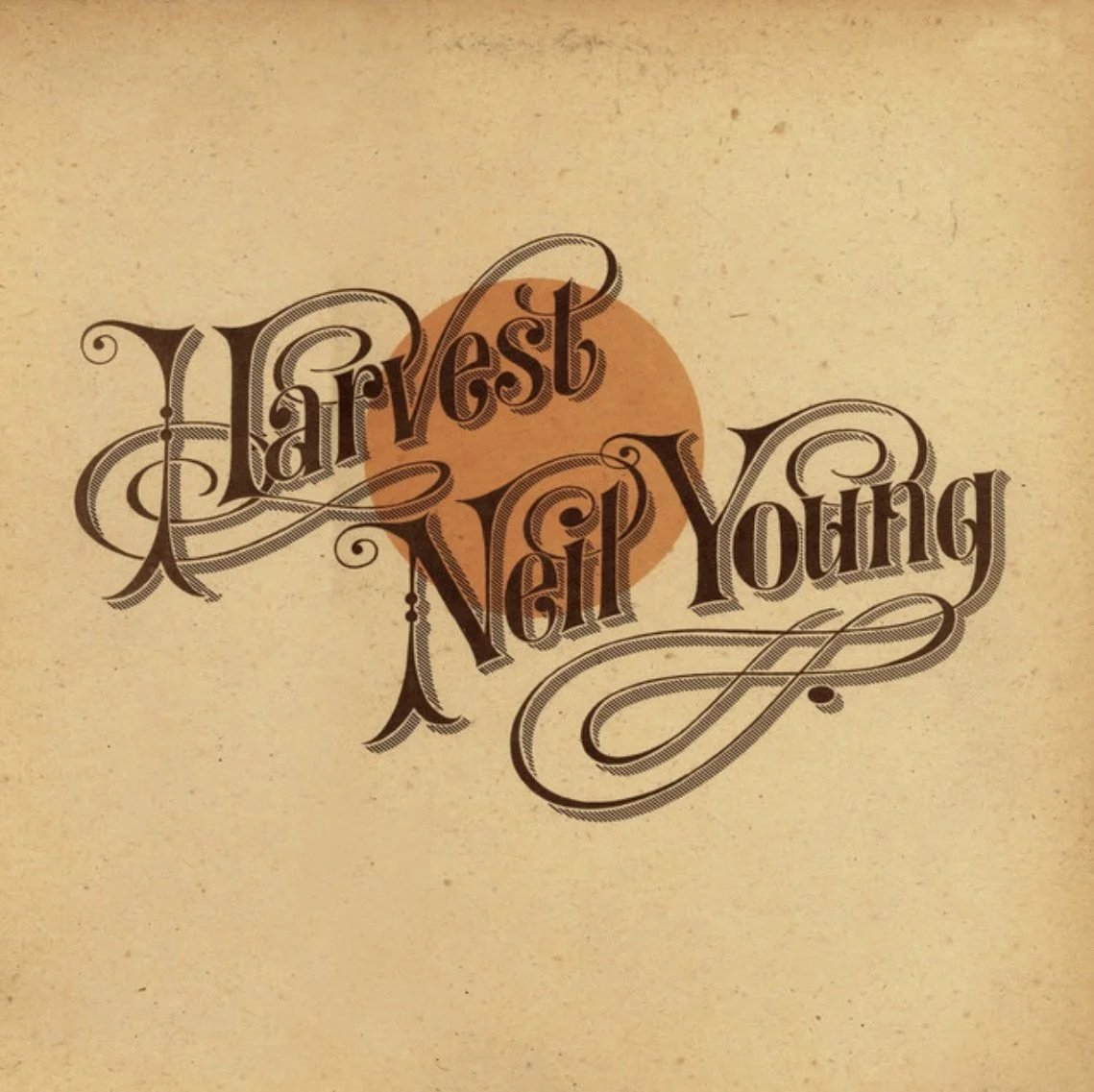
’Neil hires some of the best musicians in the world,’ drummer Kenny Buttrey said of the Harvest sessions, ‘and has ’em play as stupid as they possibly can.’ But there was a compliment hiding in the apparent criticism. ‘It’s just ultra-, ultra-simple,’ he elaborated, ‘a laid-back kinda thing nobody but Neil does.’ You can hear the ethos on sparse opener, ‘Out on the Weekend’, which lopes along to Buttrey’s measured drumming. The track feels as wide open as a prairie, before the harmonica floats in on the breeze.
The album has sweet and sour flavours, funnelling some of Young’s personal happiness (he was in love with Carrie Snodgress at the time) and the wider feeling that the hippie dream was well and truly over (‘The Needle and the Damage Done’). The album features some of his best hooks (‘Heart of Gold’, ‘Old Man’), and with the simple accessible arrangements — including the use of a dreamy pedal steel guitar for the first time — it’s easy to see why it remains Young’s most commercially successful album.
Not everything works. ‘A Man Needs a Maid’ and ‘There’s a World’ are strangled by orchestral arrangements played by the London Symphony Orchestra. ‘There’s a World’ would be rescued from its bloated production when it was covered by Sufjan Stevens, appearing on his 2023 studio album Javelin.
STATE OF SOUND
Your Backstage Pass to Music History
Founded & Edited by David Rea
State of Sound provides the best in-depth coverage of music history. Travel back in time to groundbreaking eras and scenes. Get closer to iconic music and the trailblazers who made it. Claim your backstage pass to music history now by signing up for our free newsletter.
Sign up for our free newsletter, Get exclusive content
Get all the latest from State of Sound delivered straight to your inbox. Only newsletter subscribers receive our Muso Playlists and Hidden Classic recommendations.
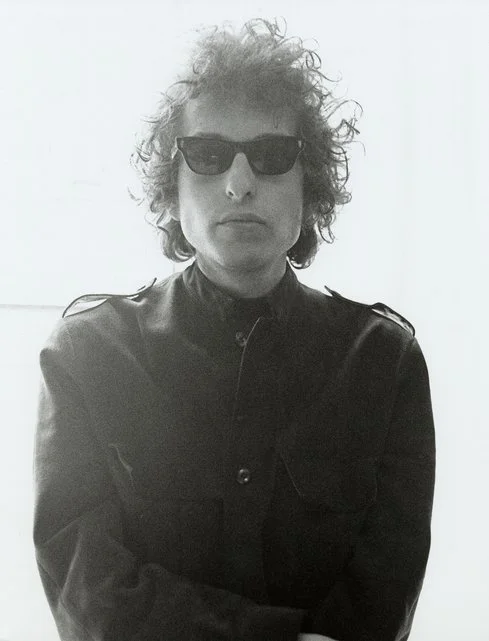
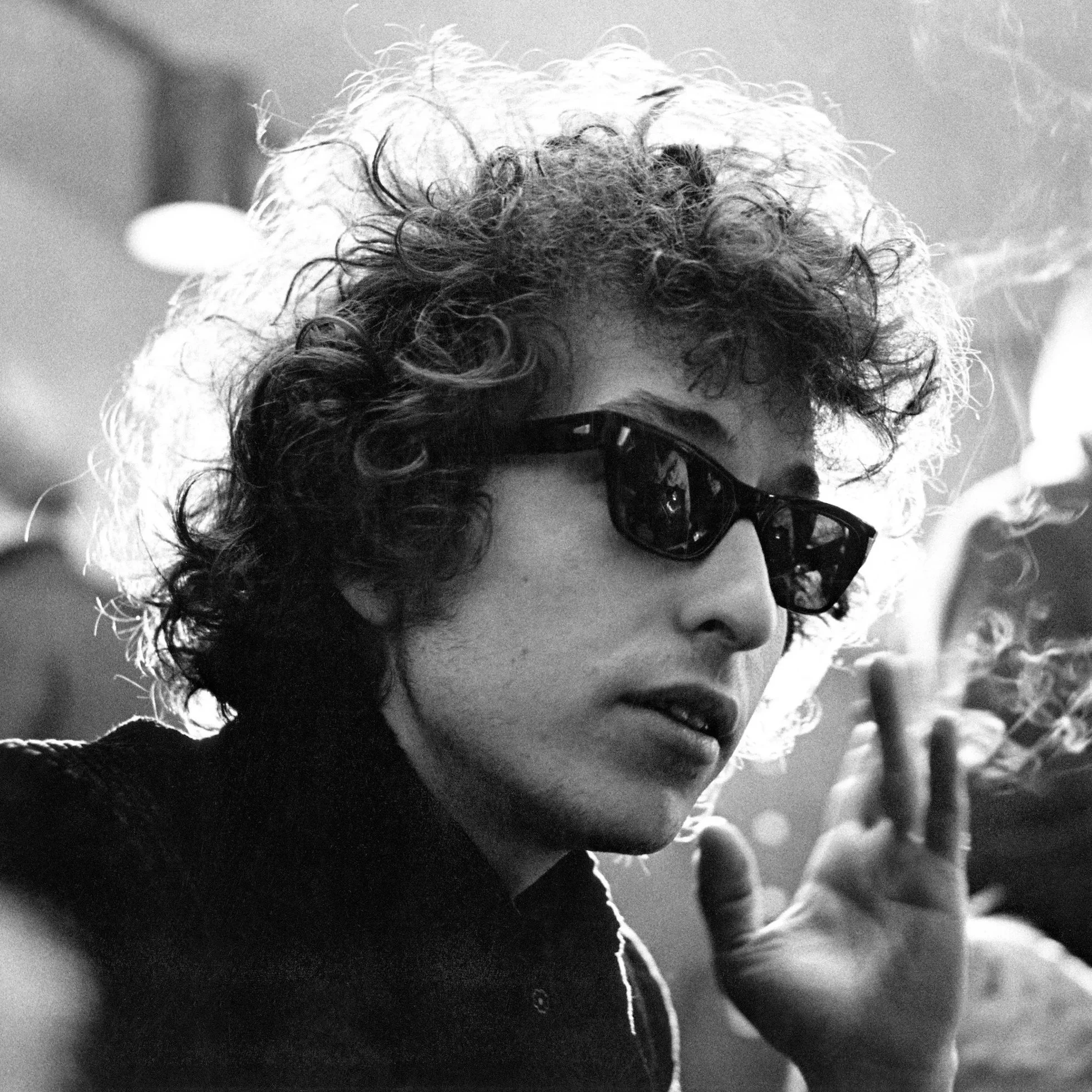
Photo: Bob Dylan; credit: Pictorial Press Ltd / Alamy
After the Gold Rush
Neil Young
4.
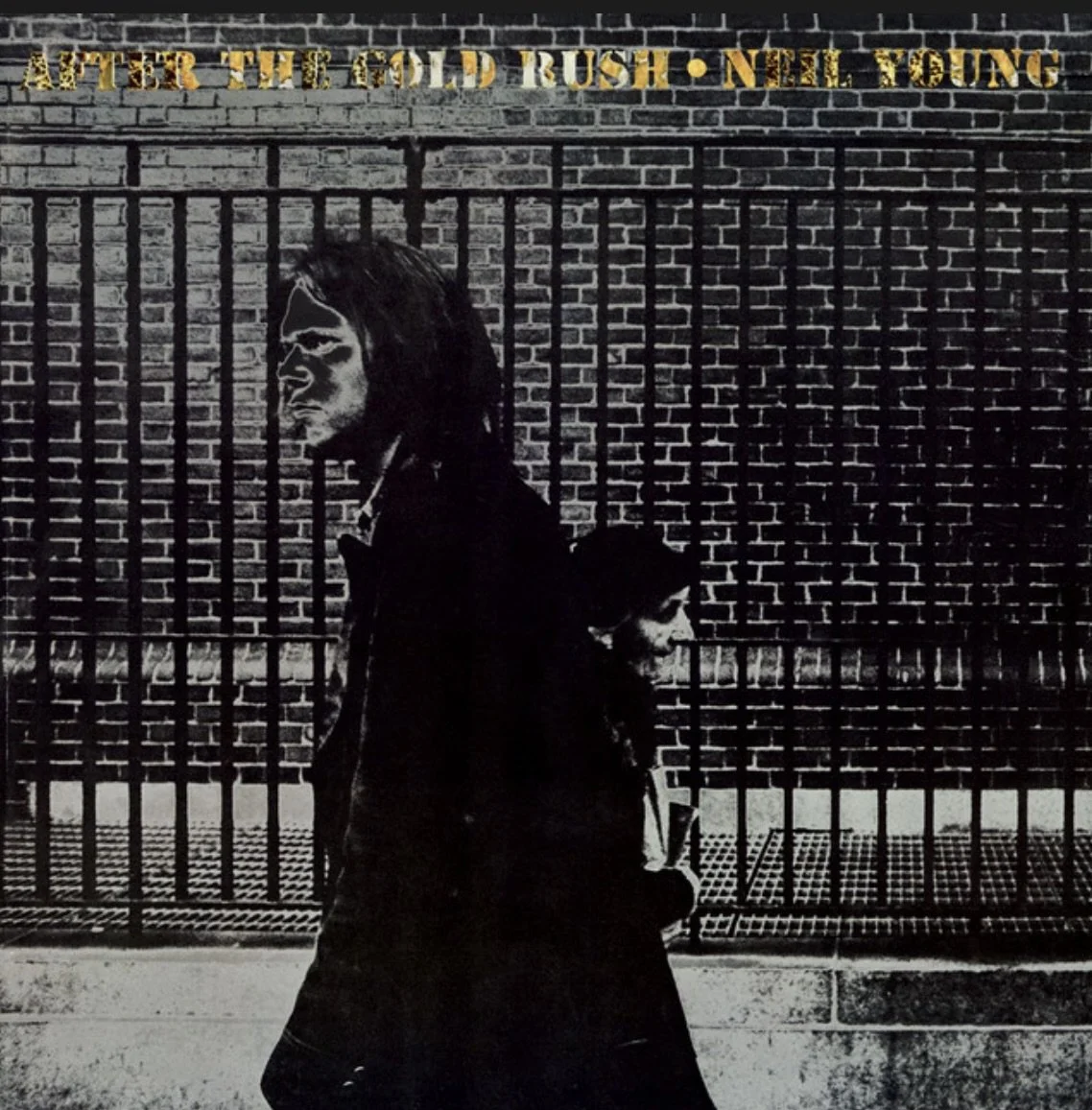
Few remember much about the screenplay which first inspired After the Gold Rush. Prominent member of the 1970s Topanga Canyon scene, Shannon Forbes recalls the film’s apocalyptic ending, in which a tidal wave engulfs the main character standing in a parking lot. Whatever its details, the screenplay was enough to inspire Young, who embarked on the soundtrack before film production had begun. According to Young, only two tracks from the finished album — ‘After the Gold Rush’ and ‘Cripple Creek Ferry’ — ended up being linked to the screenplay.
Young biographer Jimmy McDonough points out After the Gold Rush included several breakthroughs: it was the first Neil Young album recorded outside of a large studio (it was made in the small basement of Young’s house), the first without overdubbed vocals and the first to feature a 17-year-old Nils Lofgren. Perhaps the Neil Young album with the most consistently strong collection of songs, the album eschews most of the hard rock of Everybody Knows This Is Nowhere in favour of quieter acoustic productions with folk, country and singer-songwriter flavours — a bridge to Harvest.
On the Beach
Neil Young
3.
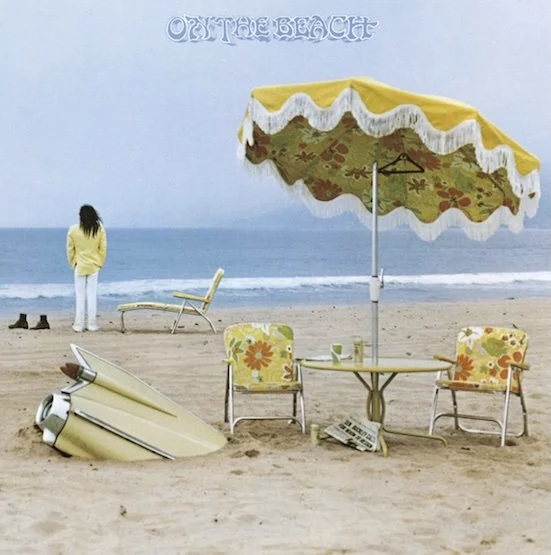
The penultimate song on On the Beach, ‘Motion Pictures’ originated in part from an edible marijuana concoction dubbed ‘honey slides’. Made by stewing marijuana in honey, the dark unctuous results could leave you, according to Neil Young, ‘laid-back into the middle of next week’. Recorded whilst high on ‘honey slides’, Young described ‘Motion Pictures’ as like being ‘underwater without bubbles’. It's a turn of phrase which could describe the final five songs of the album, which sound as if they have emerged from a deep swamp of melancholy.
It is a slightly surprising emotional turn for an album which opens with gentle country rocker ‘Walk On’, followed by the sweet and hopeful ‘See the Sky About to Rain’: ‘Some are bound to glory / Some are bound to live with less / Who can tell your story?’ Things then turn bitter and vitriolic on ‘Revolution Blues’. Driven along by Rick Danko’s loping and ominous bassline, the song documents Young’s reflections on living in LA and meeting Charles Manson: ‘Well, I hear that Laurel Canyon is full of famous stars / But I hate them worse than lepers and I'll kill them in their cars’. But then as if the ‘honey slides’ kick in, things begin to congeal. The title track and ‘Ambulance Blues’ paint desolate emotional landscapes, plumbing depths few artists can reach.
Everybody Knows This Is Nowhere
Neil Young with Crazy Horse
2.
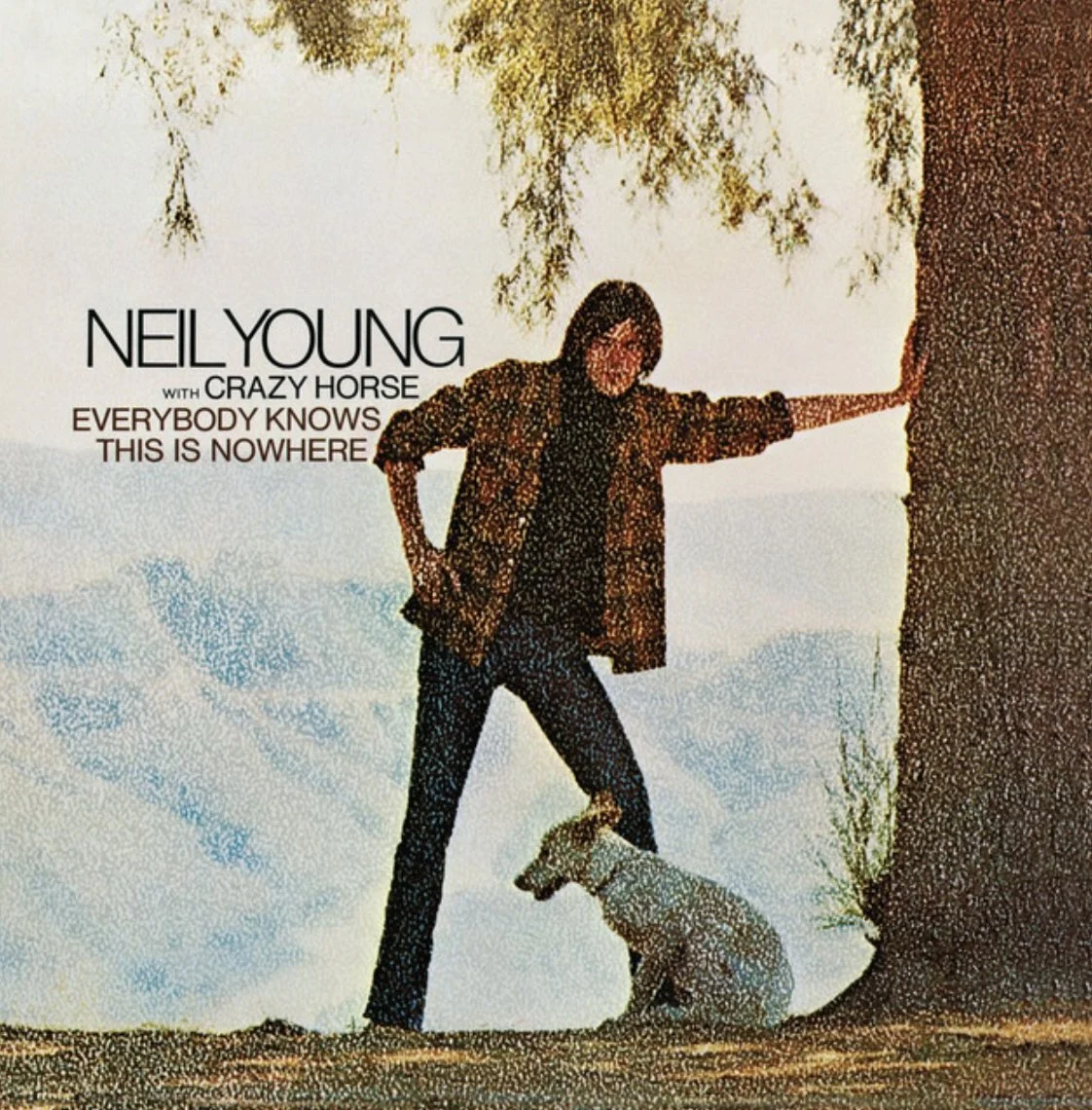
Over the course of several days in the late summer of 1968, Neil Young sat in with the Rockets at Hollywood’s famous Whisky a Go Go. The resulting creative sparks sent his career and the history of alternative rock in a new direction. Pilfering the Rockets’ rhythm section — Danny Whitten, Billy Talbot, and Ralph Molina — Young swiftly arranged a follow-up jam session in Topanga Canyon; a studio was then booked, and Everybody Knows This Is Nowhere was recorded in a handful of sessions between January and March 1969.
‘You always have to realise that you’re constantly in a state of becoming’, Bob Dylan said on No Direction Home: Bob Dylan, advice Young put into practice on Everybody Knows This Is Nowhere. ‘That whole album was like catching the group just as they were getting to know each other,’ he told Jean-Charles Costa, ‘… we didn’t even know what we sounded like until we heard the album.’
That coming-into-being feel, combined with the distorted guitars and unfiltered emotion, set the blueprint for grunge two decades later. The sound centres around Neil Young and Danny Whitten’s guitar interplay. 'Every musician has one guy on the planet that he can play with better than anyone else,’ Young said. ‘You only get one guy. My guy was Danny Whitten.’ Nowhere is their psychic connection more palpable than on the extended solos of 'Down by the River’ and ‘Cowgirl in the Sand’. Danny Whitten’s dampened strums intersect with Neil Young’s stabbing runs of single notes — technique thrown overboard in the search of feel.
Tonight’s the Night
Neil Young
1.
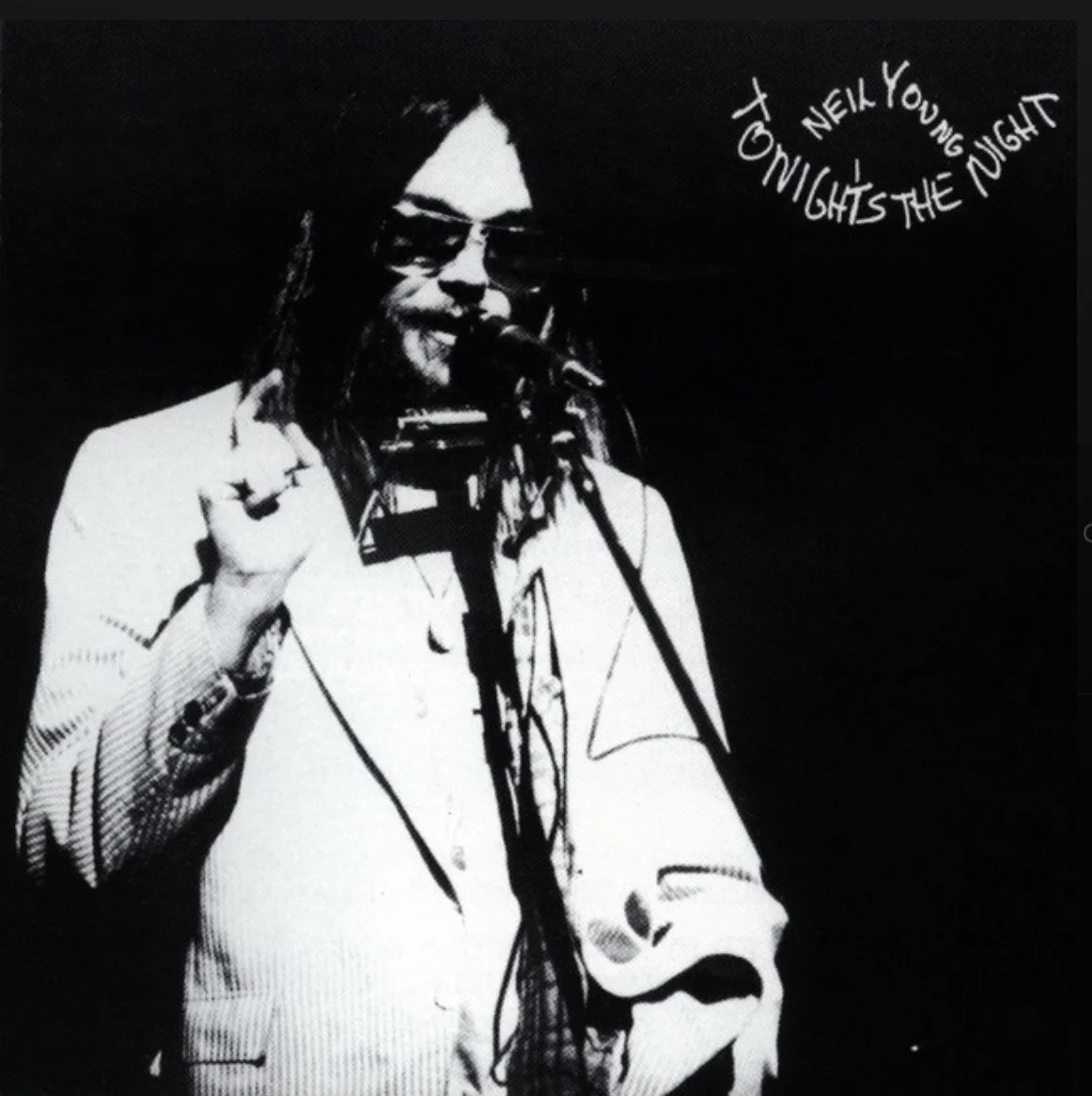
In an era of rapidly advancing studio technology, 1968-1975 saw Neil Young (after his carefully overdubbed solo debut) increasingly return to basics, pushing for an ever more ‘capture-the-moment’ live recording ethos. Like the beat-up guitars he loved so much, his patchwork clothes and his modest rustic ranch, there is a rough-and-ready, thrown-together feel to this album.
The recording sessions for Tonight’s the Night took place in a rehearsal hall, converted into a makeshift studio: a mobile recording lorry was parked in an alleyway, a hole sledgehammered through a wall and cables run into a small locker space which became the control room. ‘We’d get really high,’ Neil Young told Bud Scoppa in 1975, ‘drink a lot of tequila … We were wide open … just wide open ….’
Of the Ditch Trilogy, Tonight’s the Night is the most desolate and painful. Nowhere else in the 1968-1975 period does Young ache with such weary longing as on ‘Albuquerque’, or sound quite so broken as he does on ‘Borrowed Tune’. Whether the album is a pit of despair to step around, or a hand reaching up from the gloom, letting you know you are not alone, depends on your outlook. But no one can deny the sheer emotional force of an album which refuses to compromise its unvarnished darkness.
© 2026 State of Sound. All Rights Reserved
David Rea
David Rea is a journalist who writes about the intersection of music, culture and history. He is the founder and editor-in-chief of State of Sound. His fiction has recently been featured in Oyster River Pages and Catamaran Literary Reader, and long-listed for the Commonwealth Short Story Prize. He is currently writing a history of British popular music and a historical novel set in the USSR and Hollywood during the interwar period. He lives just outside London with his wife and two sons.
Photo: Arthur McLachlan Rea

RELATED
The 10 greatest alt-country albums, reviewed and ranked!
Image: James Lee / Unsplash
MAKING A MASTERPIECE