RANKING
Paul Simon's 10 greatest solo albums, reviewed and ranked!
In the 14 studio albums Paul Simon has released since the end of Simon & Garfunkel, the singer-songwriter has been on an extraordinary creative journey.
by David Rea
3 April 2026
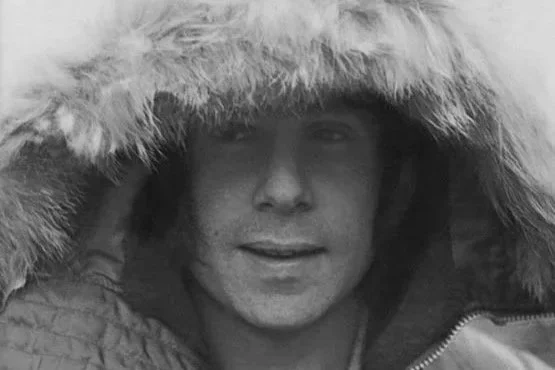
Photo: Close up of Paul Simon’s album cover for Paul Simon, 1972; CBS. Photo by P. A. Harper; Design: Ron Coro/John Berg
One-Trick Pony
10.
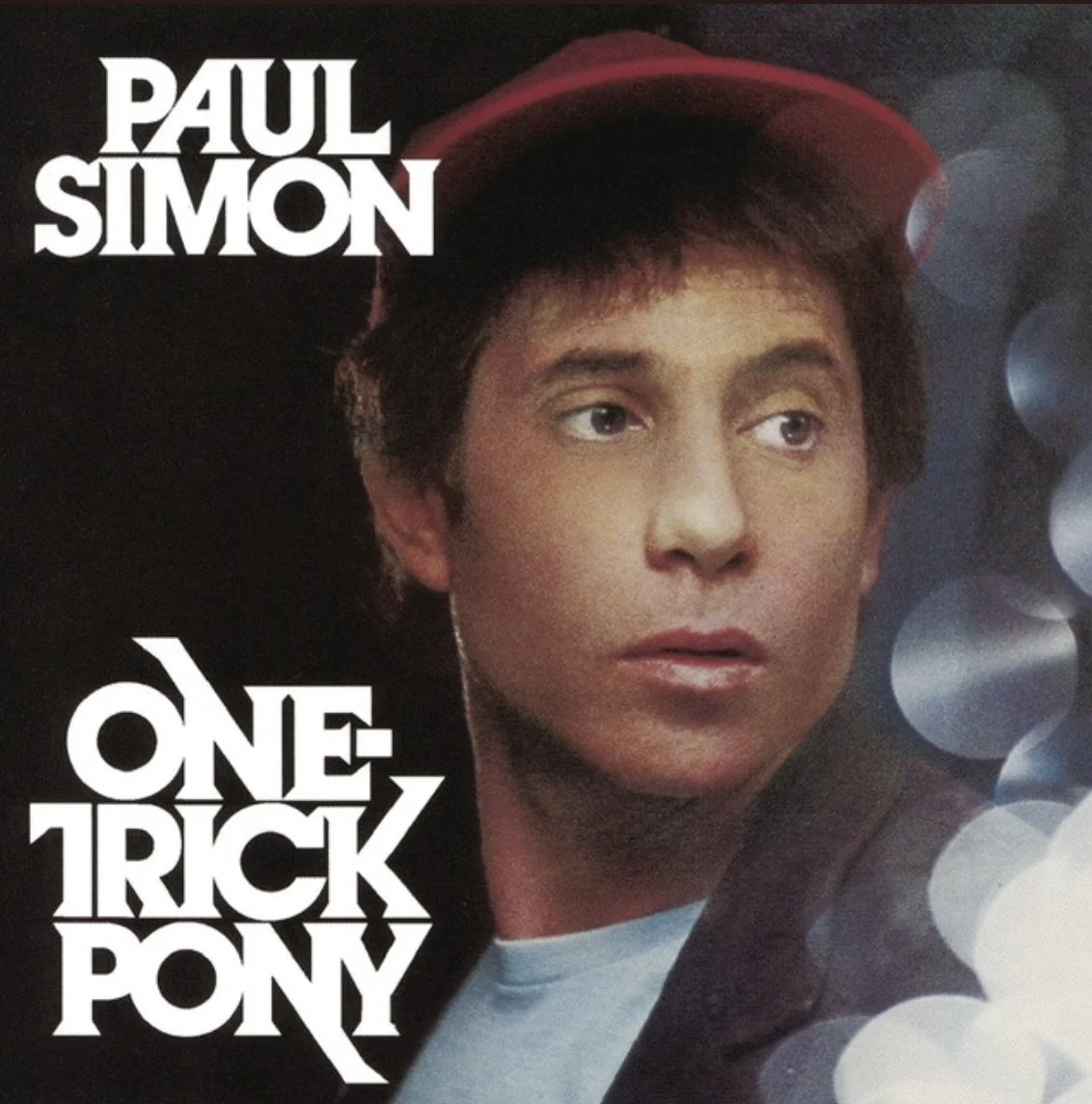
Paul Simon told Rolling Stone in 2013, ‘I don’t even remember most of the songs [on One-Trick Pony], except for ‘Late in the Evening’.’ But the album is less forgettable than Simon suggests. It conjures a world of flickering neon on rainy streets, televisions hot from overuse and people in dive bars making late-night phone calls to estranged lovers. ‘How the Heart Approaches What It Yearns’ and ‘Long, Long Day’ express the loneliness and isolation of Edward Hopper’s America, where the American Dream is forever out of reach. True, the album’s mellow jazzy tunes aren't always particularly memorable, but the well-crafted lyrics stay long after the songs have ended. The playing throughout is exquisite too, with Eric Gale and Hiram Bullock in particular giving their guitars all the subtle expression of a human voice.
In the same Rolling Stone interview, Simon said the album marked a turning point: ‘There’s a line in ‘Oh, Marion’ that was very important. “The boy’s got a heart / But it beats on the opposite side.” That showed me a new way to write, where the lyrics were more abstract’. While his contemporaries Bob Dylan and John Lennon steadily moved away from streams of surreal imagery towards more straightforward storytelling, Simon travelled in the other direction, increasingly doing away with cohesive narratives in favour of fragmented imagery. One-Trick Pony was one of several small turning points as he approached the great career intersection of Graceland.
The Paul Simon Songbook
9.
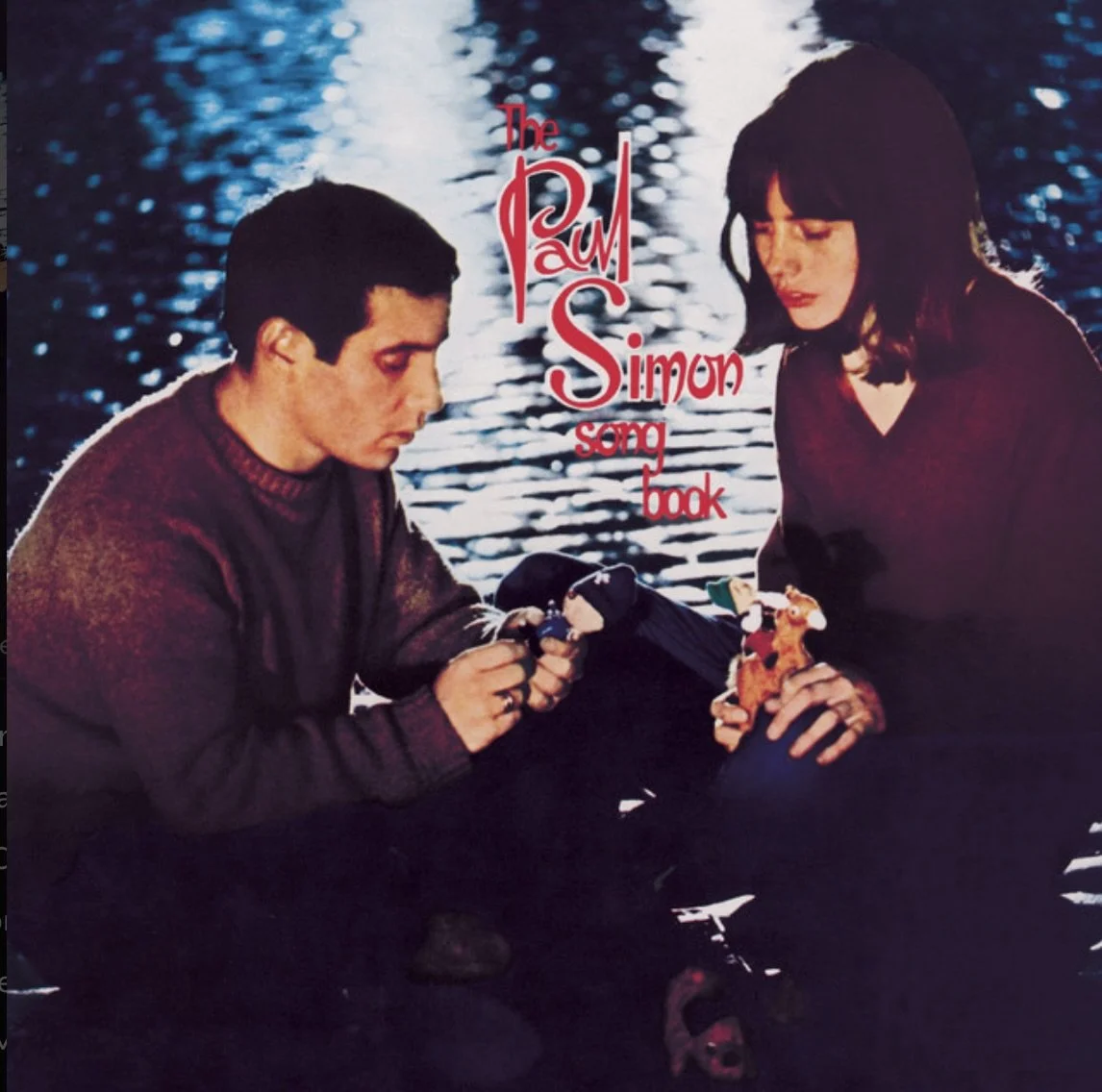
In the early 1960s Paul Simon tried to make it in the British folk club scene. Carrying the mystique of a bona fide American folk singer, he went on self-financed tours of one-night stands, finding a bed where he could and pushing for stage time by writing pleading letters to folk club managers. ‘I couldn't believe how brilliant he was,’ Harvey Andrews remembered in Singing from the Floor: A History of British Folk Clubs. ‘I sat down a couple of rows back and this guy sat on a stool and he started. I can remember what he sang — ‘A Church Is Burning’, ‘He Was My Brother’, ‘A Most Peculiar Man’ and ‘The Sound of Silence’… his guitar technique was like an orchestra to us.’
Simon’s ornate guitar flair and relentless hustling paid off with a performance on the BBC and the chance to record at British CBS London studios. The resulting album The Paul Simon Songbook is a time capsule for the left-leaning folk revivals on both sides of the Atlantic. The inspiration Simon provided for the likes of Harvey Andrews was returned in spades. The guitar introduction to ‘The Side of the Hill’ owes a debt to British folk guitarist Davy Graham’s ‘Angi’. The tune would later provide the countermelody to ‘Scarborough Fair’.
The album is also a fascinating footnote in Simon & Garfunkel’s discography. Accompanied only by an acoustic guitar, several songs sound like rough demos of the duo’s polished masterpieces, and without Art Garfunkel’s crystalline voice the album in general, and ‘April Come She Will’ in particular, sound a little grey. But these bare bones are plenty strong enough to stand alone, sounding austere and earnest on their first outing in the spotlight.
Stranger to Stranger
8.
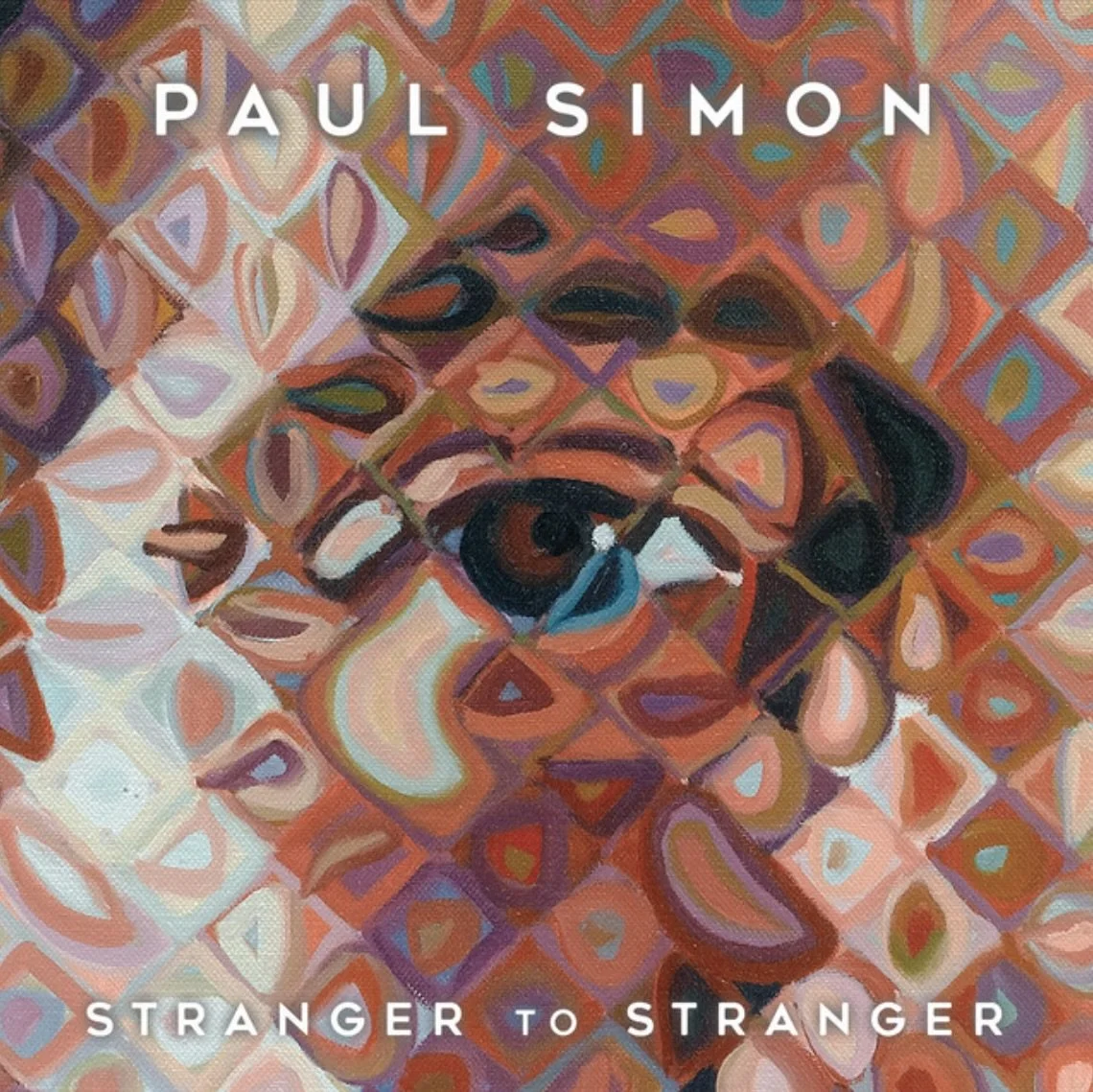
Five years after So Beautiful or So What comes its little sibling, Stranger to Stranger. Simon is still gazing misty-eyed towards the dying of the light, but he is a little more aware his boots are covered in modern life’s detritus. Like its predecessor, this album showcases the full range of Simon's talents. The two musical rivers of his solo career to date flow together — the 1970s languid soft pop with the polyrhythmic cut-and-paste word collages.
Paul Simon’s songwriting intelligence is everywhere. Strung together with a lively bassline and threadbare narrative, ‘Wristband’ sharply observes our cluttered world of screens and arbitrary rules, while ‘Cool Papa Bell’ grooves along exuberantly, its stream-of-consciousness gobbledygook lyrics managing to sound like compelling philosophy.
The Rhythm of the Saints
7.
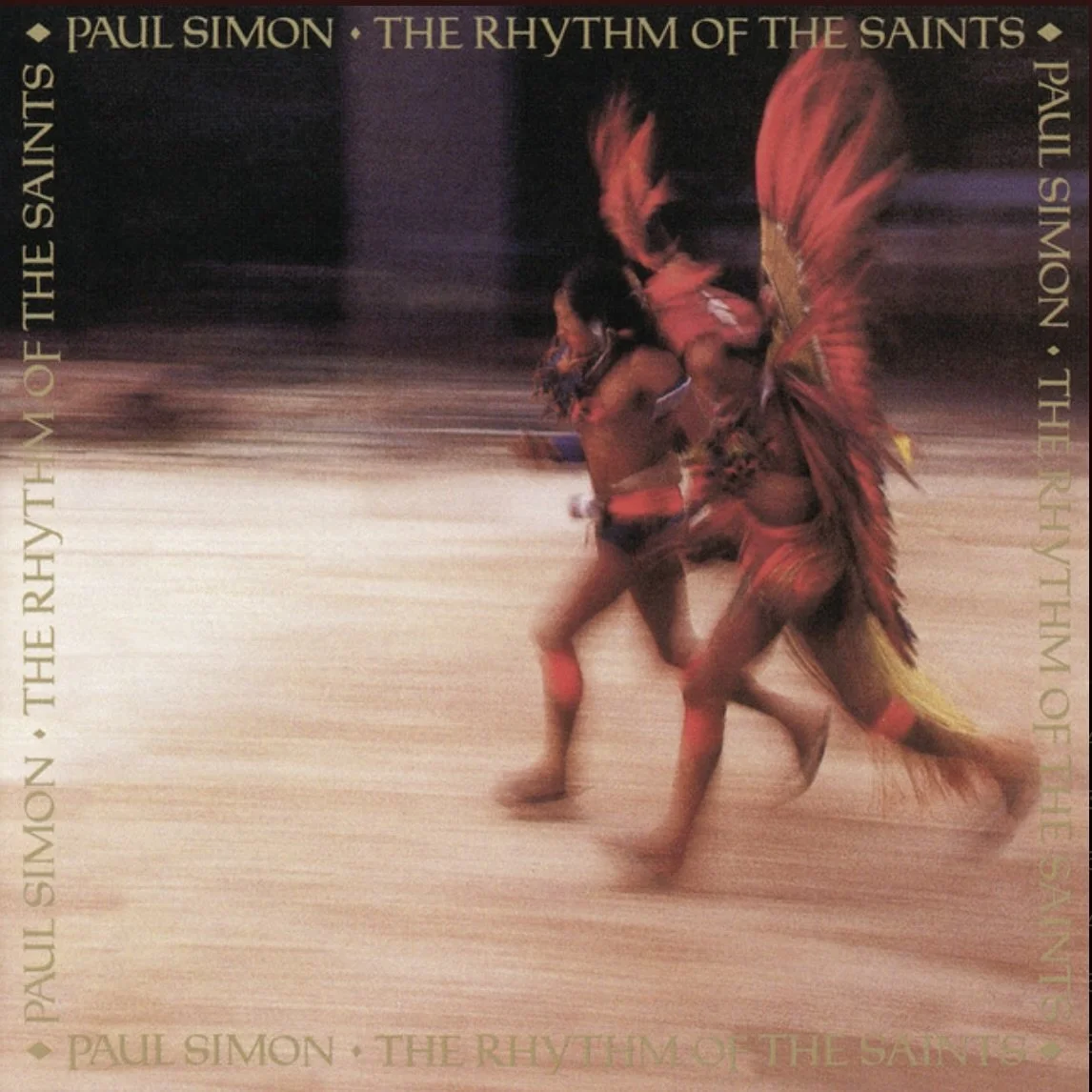
With talent-scouting expeditions to Europe and South America, nearly 100 singers and players employed and a budget of around $1M, Rhythm of the Saints had the air of an ethnomusicology experiment, or the production of a doomed Hollywood epic. The four-year silence which followed 1986’s Graceland had felt a little stunned, as though Simon were concussed by its success, its radical musical re-orientation leaving his head spinning. Where do I go now? In the end, he travelled deeper into the music beyond America’s shores, letting go of commercial concerns.
During his field research trips in Brazil Simon collected samples of drumming. Later in New York he let their rhythms suggest melodies and lyrics. It is a process you can hear everywhere: the tunes dance to the beat and the words are as percussive as they are semantic. So deeply rooted in rhythm, it was always going to pale beside Graceland’s luminous tunes. But there is a unique hot-and-sticky tropical tranquillity to Rhythm of the Saints, and those rhythms flow on and on, carried by warm unhurried breezes.
So Beautiful or So What
6.
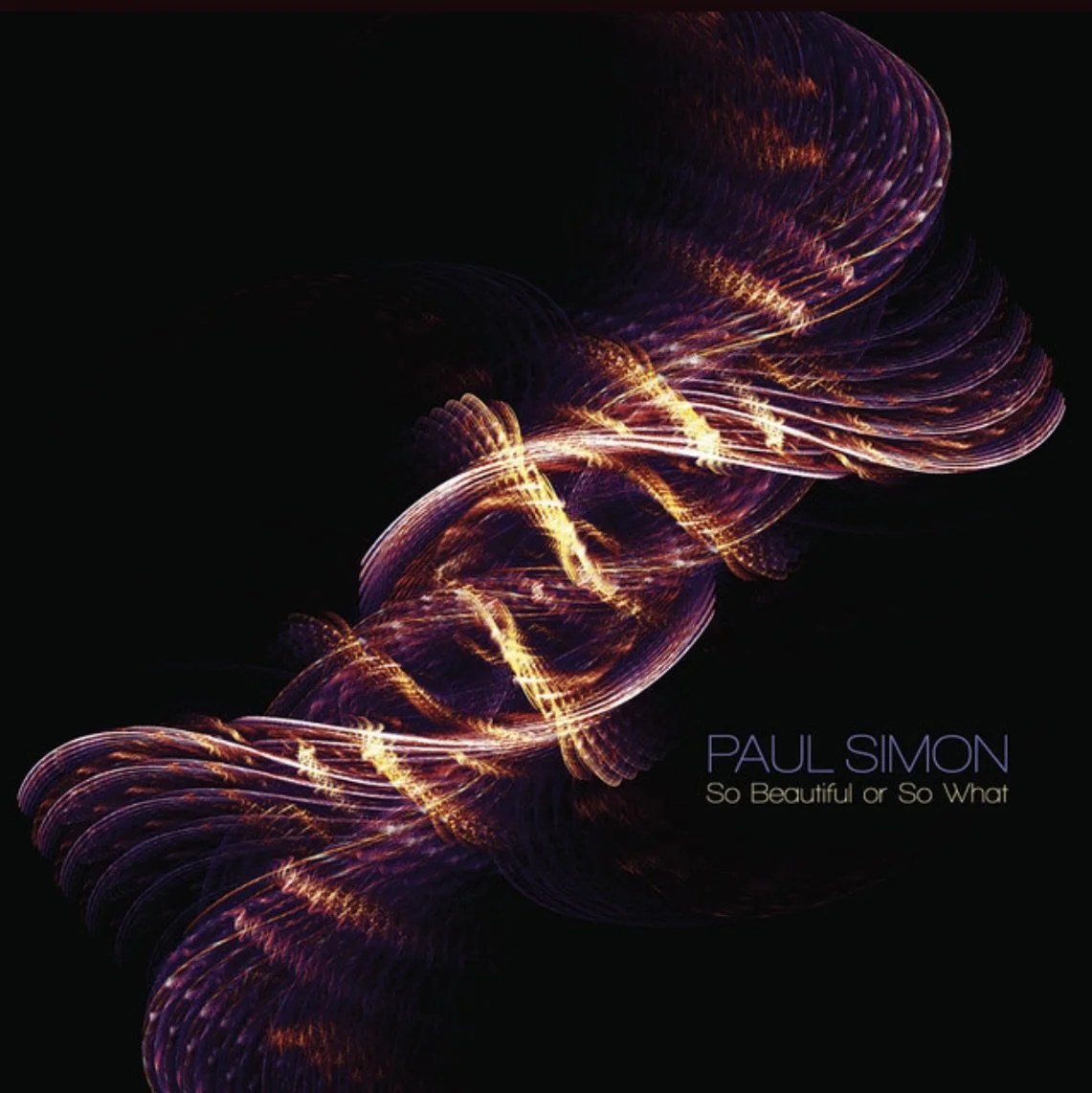
Eternity is probably best considered through the prism of a pretty song, and few can take on forever in a pop tune better than Paul Simon. He was already exploring the grand theme when he was barely out of adolescence, on tracks like Simon & Garfunkel’s ‘Voices of Old People’ and ‘A Hazy Shade of Winter’. But by the time he got to So Beautiful Or So What, he’d understood the heaviest subjects spring to life when treated lightly.
Again and again, he weaves the sacred together with the profane, situating our deepest longings within life's narrow confines and bitter realities: shopping for love in a bargain store, a pilgrim with torn sneakers crossing Brooklyn Bridge. Widely considered his best since Graceland, the album led to a critical rehabilitation and sent him out on the road for nine months.
The final word has to go to the song ‘The Afterlife’ and its closing image: a fragment from an old pop song travelling unheard through endless space. Even Paul Simon’s widely beloved discography will vanish in the expanse of infinity. It is an idea typical of Simon, whose beautiful mind has always been in the clouds, but whose feet have remained firmly on the ground.
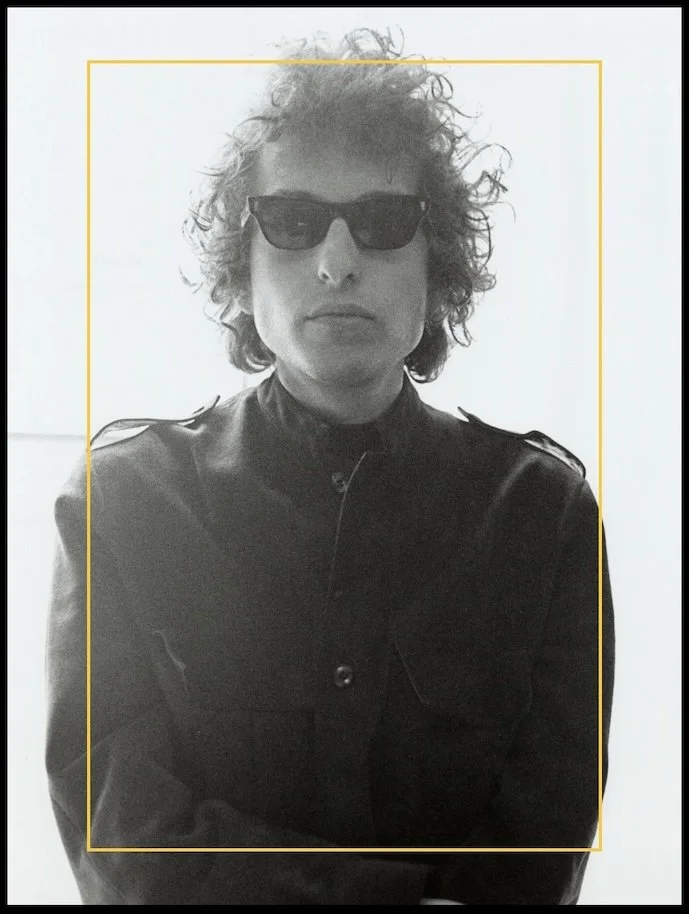
Photo: Bob Dylan; credit: Pictorial Press Ltd / Alamy
Still Crazy After All These Years
5.

‘I stepped into the shower one day,’ Paul Simon said of the album’s genesis, ‘and boom this line comes into my head… after all the success I'm back here: still crazy after all these years.’ With his marriage in trouble, Simon apparently took a lot of showers around that time. His wife Peggy Harper thought he might be trying to clean off the scent of betrayal. Later, Simon explained he wanted to scrub away the sadness.
The quality of Simon’s solo albums leading up to Graceland (save the disappointing One-Trick Pony) can be difficult to tell apart. But Still Crazy After All These Years stands out as a musical turning point, incorporating more elements of jazz than before. It gave his melodic dexterity new range. Bright hooks gave way to bewitching nuance, and the starry-eyed domestic happiness of There Goes Rhymin' Simon became gorgeous melancholy on Still Crazy After All These Years.
There are a couple of caveats. ‘You’re Kind’ was the closest thing Simon had written to filler in his career to date; and however good ‘My Little Town’ might be, the Simon & Garfunkel orchestral pop feels shoehorned into an album of such desolate understatement.
Heart and Bones
4.
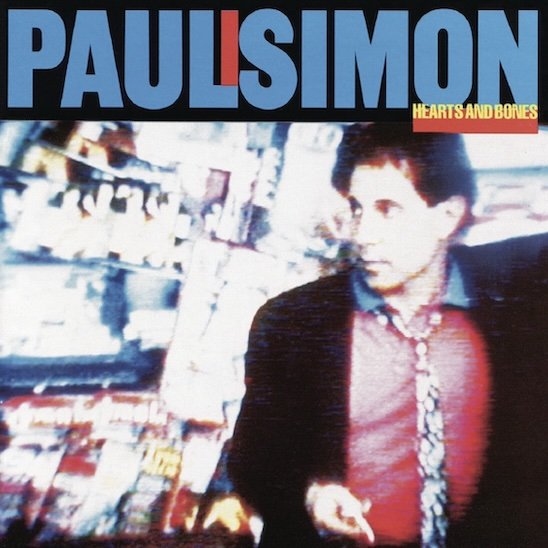
Paul Simon's life was on the up by the time of Hearts and Bones, at least on the face of it. He married Carrie Fisher in the summer of 1983 (the couple honeymooned after the album was finished), and Hearts and Bones was to be the first Simon & Garfunkel album since 1970. But these promises of emotional and artistic fulfilment were soon broken. As one of the album’s tracks puts it, ‘Everybody loves the sound of a train in the distance / Everybody thinks it’s true’.
‘Train in the Distance’ is one of three classic Paul Simon songs on the album — alongside ‘Rene and Georgette Magritte with Their Dog after the War’ and the title track — and there are plenty of other polished gems here too: ‘The Late Great Johnny Ace’ is a dark minor masterpiece; ‘Cars Are Cars’ is the only skippable moment.
The album’s wistfulness, romantic cynicism and mental muddle play well to Simon’s talents. The jazz-tinged melodies draw out unnamed emotions, and his agile lateral thinking — comparing a heart to a moon, life to numbers and culture to cars — clears away some of the shadows. In retrospect it all feels sadly prescient. When he first played ‘Train in the Distance’ to Carrie Fisher, he worried she would think it was about them. It was in fact about his first marriage to Harper, but it now seems to double as a heartbreaking reflection on his second to Fisher too. (The couple divorced less than a year after their wedding.) And perhaps the song ‘When Numbers Get Serious’, about nothing ever adding up, was also predictive. However much the world wanted it, Art Garfunkel’s harmonies were never going to fit together with this album’s highly individualised reflections. Hearts and Bones came out as a Paul Simon solo release, and deservedly remains a fan favourite.
There Goes Rhymin' Simon
3.
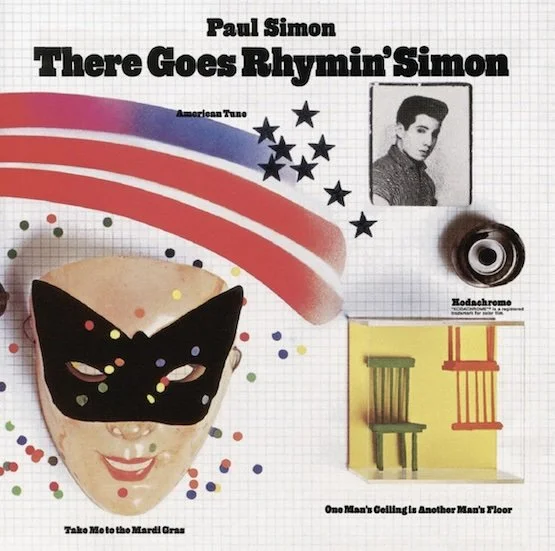
If Paul Simon’s eponymous debut album felt darkened by the fallout from the end of the 1960s and the Simon & Garfunkel break-up, then There Goes Rhymin' Simon was dappled in the sunlight of his secure marriage to Peggy Harper and their newborn son.
As always the musicianship is exemplary throughout (like most Paul Simon albums the list of personnel is almost as long as the index to a major biography); the Muscle Shoals Rhythm Section’s zest, in particular, perfectly conveys the album’s uplifting mood. ‘Was a Sunny Day’ and ‘Take Me to the Mardi Gras’ are so uncharacteristically sunny they almost sound inauthentic, much like Simon’s Caribbean-style accent on ‘Was a Sunny Day’. ‘St. Judy's Comet’ is as heartfelt a lullaby as you're likely to hear (‘Cause if I can’t sing my boy to sleep / Well, it makes your famous daddy look so dumb’), and ‘Something so Right’ is one of the rare moments Simon admits to simple happiness, the song’s uncertainty only making the contentment feel hard-won.
If all that wasn't enough, Simon also throws in ‘American Tune’. Outside the nursery window, America was in turmoil. Written in the final years of the Vietnam War, and released roughly at the midpoint of the Watergate scandal, the dreamy hymn recognises a country full of doubt, but finds hope in its historical resilience.
2.
Paul Simon
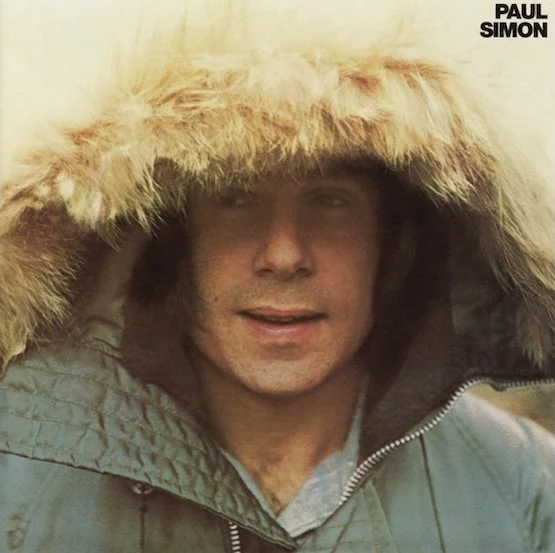
Like John Lennon/Plastic Ono Band and Neil Young’s On the Beach, Paul Simon’s eponymous solo album of 1972 grapples with the end of the 1960s. After the gargantuan success and stately sparkle of Bridge over Troubled Waters, we find Simon head in hands, suffering a hungover or comedown. But look closer, and he is still smiling as bashfully and playfully as he is on the album cover.
The album describes the side effects of taking uppers and downers, the physical toll of a hedonistic lifestyle and the mental burden of persistent paranoia. In between, there is the joyfully mischievous storytelling of ‘Duncan’ and ‘Me and Julio Down by the Schoolyard’, the quixotic ‘Peace Like a River’ and the folksy ‘Hobo’s Blues’. Musically, the album freely roams between folk, blues, reggae, Latin and singer-songwriter material, without ever sounding patched together. This is far from a lo-fi production, yet it feels of a piece with Paul McCartney’s eponymous rustic solo effort — particularly on ‘Everything Put Together Falls Apart’, when we hear Simon turn his head away from the microphone. Can we also hear a smile in his voice at that moment? Despite the hangover, he wasn’t beaten yet.
1.
Graceland
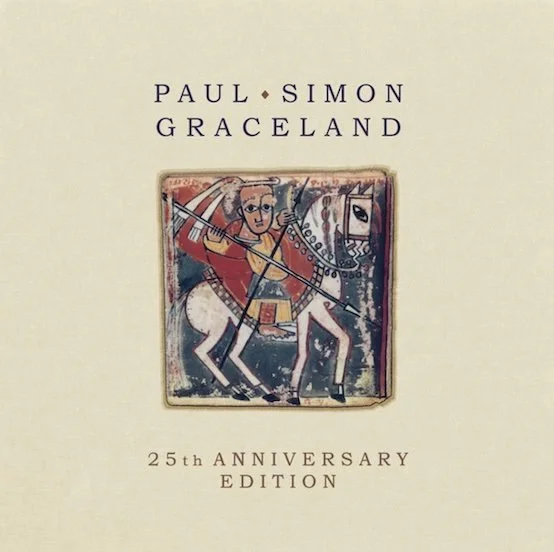
There are albums which become so much part of the furniture of our lives we stop noticing them. Trying to find old receipts in car glove compartments or battered cardboard boxes, we often turn up an old tape or CD of Fleetwood Mac’s Rumours, Michael Jackson's Thriller or Paul Simon’s Graceland. ‘It’s one of those albums where, except for the last song, everyone knows every song,’ Paul Simon told Rolling Stone in 2013. ‘Once in a while, that can happen.’ Graceland turned out to be a once-in-a-lifetime album.
Listen through any artist’s decades-long discography, you'll eventually hear them rewriting the same songs. Few produce something at once truly inspired and brand-new later on in their canon. Leonard Cohen did it on I'm your Man, and Tom Waits on his mid-80s junkyard trilogy, but arguably no one combined a mid-career masterpiece with a radical left turn quite like Paul Simon on Graceland.
The album is a bit like being in that ‘taxi heading downtown’ on ‘Gumboots’, listening to Paul Simon’s exuberant gibberish and inspired musicality. You’re left wondering if the person sitting next to you is a genius of some kind, or simply having ‘a little bit of a breakdown’. Either way, it's a privilege to be along for the ride.
© 2026 State of Sound. All Rights Reserved
David Rea
David Rea is a journalist who writes about the intersection of music, culture and history. He is the founder and editor-in-chief of State of Sound. His fiction has recently been featured in Oyster River Pages and Catamaran Literary Reader, and long-listed for the Commonwealth Short Story Prize. He is currently writing a history of British popular music and a historical novel set in the USSR and Hollywood during the interwar period. He lives just outside London with his wife and two sons.
Photo: Arthur McLachlan Rea