The greatest alt-country albums, ranked! (5-1)
Photo: Matthew Henry / Unsplash
ALT-COUNTRY has always given the polished twang of mainstream country a roughened edge, drawing from the countercultural snarl of punk, the kooky charms of indie pop, rockabilly, bluegrass or Southern rock. Here is the final part of State of Sound’s ranking of the greatest alt-country albums, No. 5 to No. 1.
No Depression
Uncle Tupelo
5.
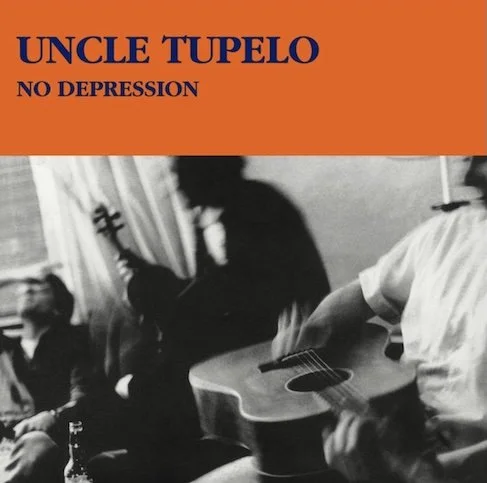
When asked to explain their choice of band name, Uncle Tupelo drummer Mike Heidorn quipped: 'Two words, English language, sound good together'. His bandmates sniggered. It was 1989, he, Jay Farrar and Jeff Tweedy were being interviewed on local cable TV show Critical Mass, and the three of them looked like teenagers — a tight, bashful and slightly bored gang bound by humour. Their jeans, T-shirts and collective mood made them appear prototype 1990s slackers. But beneath the surface there was simmering passion. Asked when they might make a debut album, Tweedy answered with a steely look, 'We're gonna try and get one out by late spring; we're working on it'.
No Depression, which eventually came out in the early summer of 1990, was an exhilarating collision of 1980s DIY rock and midcentury American country. The tough, turbocharged 'Graveyard Shift' sounded like mildly countrified Hüsker Dü, 'No Depression' was a Carter Family cover sung by a careworn punk, and 'Whiskey Bottle' updated Hank Williams' 'Tear In My Beer' and Hank Williams, Jr.'s 'Whiskey Bent And Hell Bound' for the economically precarious America of the 1980s. 'I can't forget the sound,' Jay Farrar sang, ''cause it's here to stay / The sound of people chasing money and money getting away'.
The band undoubtedly grew creatively after No Depression, with more sophisticated songwriting and polished production, but here they sounded raw and new, like a gnarly branch grown straight out of American roots music.
Trace
Son Volt
4.
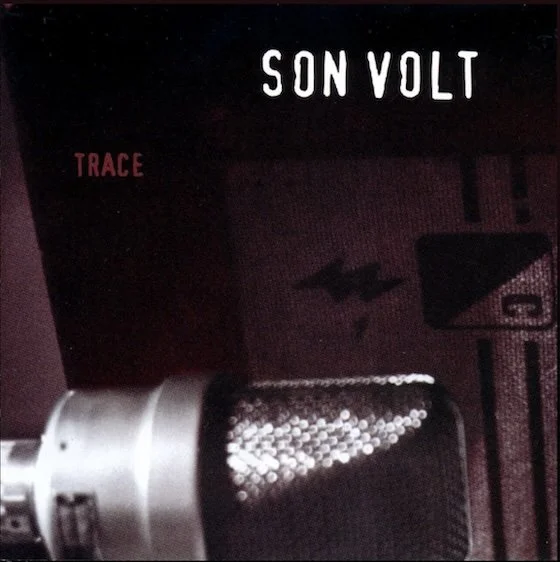
After Uncle Tupelo imploded, fans waited to see what would emerge from the rubble and ash. How would the band's alt-country DNA divide up, and who out of Jay Farrar and Jeff Tweedy would fare better? Thirty years later most would agree on the answer: Tweedy, but back in the mid 1990s — after the release of Son Volt's Trace and Wilco's A.M. — everybody thought it was Farrar. Wilco's debut was fairly ordinary, ranking amongst the weakest in their discography; Son Volt's sounded like the completion of a creative arc which began with Uncle Tupelo. It remains their best album 30 years on.
From outright rocker 'Route' to the acoustic strum, plucked banjo and floating steel guitar of 'Tear Stained Eye', the album is wall-to-wall gold. 'Drown' with its sour two-note guitar lick could have just about found a home on Wilco's Being There, showing just what Farrar and Tweedy had shared.
Being There
Wilco
3.
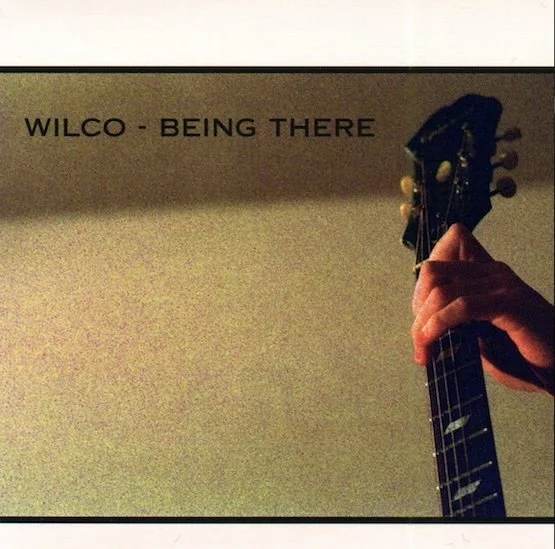
Jeff Tweedy has always produced his best work in collaboration. Jay Farrar provided enough competitive grist for him to write his standout contributions in Uncle Tupelo ('Acuff-Rose' and 'Black Eye' remaining fan favourites); later it was Jim O'Rourke's co-production on A Ghost Is Born which facilitated Wilco's most experimental album, and Nels Cline, entering the fray for Sky Blue Sky, coloured Tweedy's songwriting with restrained guitar swagger.
But it was Tweedy’s fractious collaboration with Jay Bennett during Wilco's early three-album imperial phase (Being There, Summerteeth and Yankee Hotel Foxtrot) which led to some of his best work. In his book Let's Go (So We Can Get Back), Tweedy recalls watching Bennett play pedal steel guitar live with Steve Pride and His Blood Kin. 'That guy is really good, huh?' he said to Jay Farrar, who just shrugged. But Tweedy was convinced: 'Jay Bennett could do two things really well that were foundational pillars for me: punk rock and country'. Over the next three Wilco studio albums Bennett would also show he was experimentally ambitious in the studio.
Being There had plenty of alt-country but offered something new too. 'Misunderstood' blended anthemic melody with hometown kitchen sink detail (the taste of cigarettes, a clock face reflected in a CD). The song cycled through the same verse melody for six minutes, accompanied by dry acoustic guitar and pretty piano, before half-dissembling into distortion and back again. At the album's midpoint is its second 6-minute opus 'Sunken Treasure', the refrain beginning with a gunshot of echo. The 19-song track list confidently pushed past the boundaries of A.M., sketching out several of Tweedy's soon-to-be recurring themes (disconnection, isolation, miscommunication). But there remained plenty of less muddled sentiment, with the bouncing country of 'Forget the Flowers', dreamy longing of 'Far, Far Away' and power-pop optimism of 'I Got You (At the End of the Century)'.
Wrecking Ball
Emmylou Harris
2.
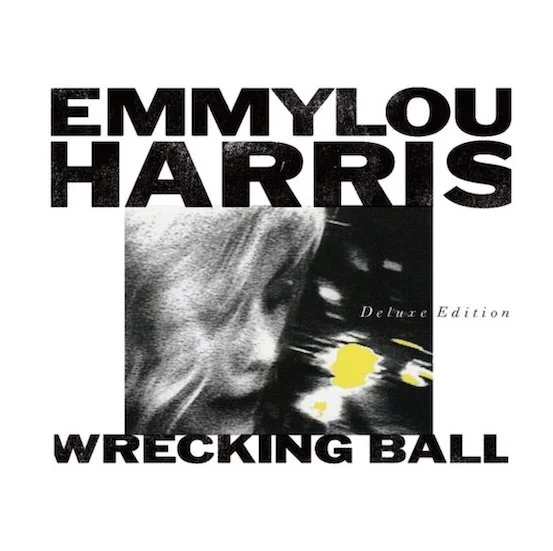
In her album acknowledgements, Emmylou Harris noted producer Daniel Lanois had 'his hands in everything and on everybody'. It chimed with the producer's renowned obsessive focus on correctly calibrating his trademark wall of sound. But when it had already yielded such spectacular results, from the widescreen cinema of U2's The Joshua Tree to the swampy, nostalgia-tinged confusion of Bob Dylan's Oh Mercy, who was going to complain?
Most of the songs on Wrecking Ball were already bulletproof classics before Daniel Lanois came near them (the track list including Bob Dylan's 'Every Grain of Sand', Neil Young's 'Wrecking Ball' and Gillian Welch's 'Orphan Girl') and though his densely textured production is much in evidence, Lanois clearly knew when to step back. There is plenty of natural, uncluttered air in these songs, especially on the peerless cover of Lucinda Williams' 'Sweet Old World', allowing the extraordinary feel of the stellar cast of artists (Harris was joined by Larry Mullen Jr. and Neil Young amongst others) to come through.
Jimi Hendrix's sparkling 'May This Be Love' is brought down to earth and given a muddier sound, translating its pretty psychedelia into soulful yearning. Larry Mullen Jr.'s drumming never overpowers, giving just enough distinctive muscle to 'Goodbye', 'All My Tears' and 'Every Grain of Sand'. Daniel Lanois' hands might have been in everything and on everybody during the recording of Wrecking Ball, but based on the listening experience alone, they were gentle and nurturing.
Car Wheels on a Gravel Road
Lucinda Williams
1.
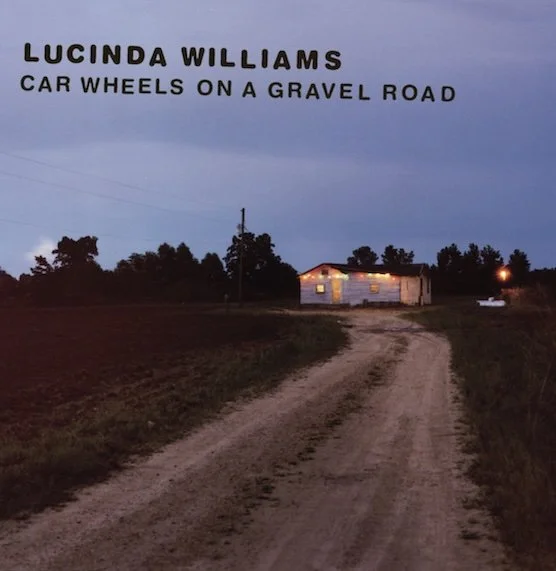
'I write about love, sex, romance, death,' Lucinda Williams told CMT Crossroads in 2011, breaking down Car Wheels' twinned themes of Eros vs. Thanatos. 'Lake Charles', 'Drunken Angel' and '2 Kool 2 Be 4-Gotten' all point to those who have passed on, while 'Right in Time' and 'Still I Long for Your Kiss' atomise the grief of a breakup.
'Can't Let Go' skips along on guitar strum and twang, 'Lake Charles' heartbreakingly places an apparent suicide in the context of a lifelong yearning to return home, and closer 'Jackson' is a nailed-on country classic. 'Greenville' accuses a former lover with exhausted anger ('you scream and shout and you make a scene'), listing the detritus he's left behind ('broken glass', 'borrowed cash'). It's an understated anthem for #MeToo 20 years before the movement arrived. Throughout, Williams situates her stories in detail-rich small-town America, plumbing the emotional depths with striking economy. As she put it back in 2011: 'I'm an artist and it's about self-expression'.
© 2026 State of Sound. All Rights Reserved
Sources
In his book Let's Go (So We Can Get Back), Tweedy… punk rock and country'.: Page 15, Tweedy, Jeff, ‘Let's Go (So We Can Get Back): A Memoir of Recording and Discording with Wilco, etc.’ (Faber & Faber, 2019)