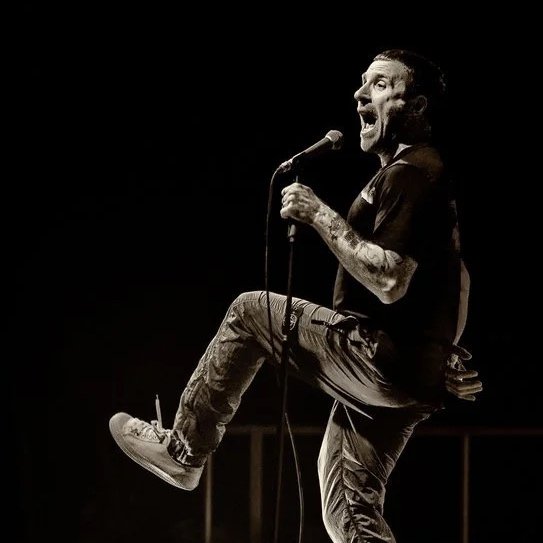
Sleaford Mods: 7 songs that changed my life
FEATURE
Sleaford Mods’ Jason Williamson on the importance of vulnerability, his love of Ian Brown's voice and why Kneecap will never outshine the Sex Pistols.
6 December 2025
Photo: Gonzales Photo / Alamy
‘Cut Up’, The Escalators
1.
From Moving Staircases
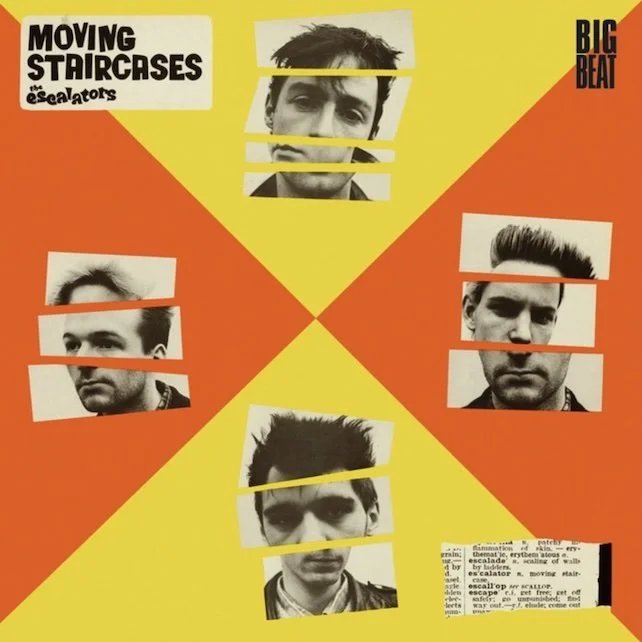
Jason Williamson: It starts with a spoken word piece from Nigel Lewis. Then it goes into this punk, post-punk-type, mosh-type thing. It's brilliant. It's absolutely brilliant. I think it’s a massive example of where I got some of the vocal approach for Sleaford Mods, particularly from Nigel Lewis. But yeah, it's a great track.
David Rea: Who else has influenced your vocal style?
Yeah, there’s the Mike Skinner influence, Wu Tang, you know, all those things came into play when I started doing spoken word. You can access ‘Cut Up’ on Spotify. I don't know if Spotify is very good at giving new music suggestions, but for finding old stuff it's fucking brilliant.
‘Me and My Woman’, Roy Harper
2.
From Stormcock
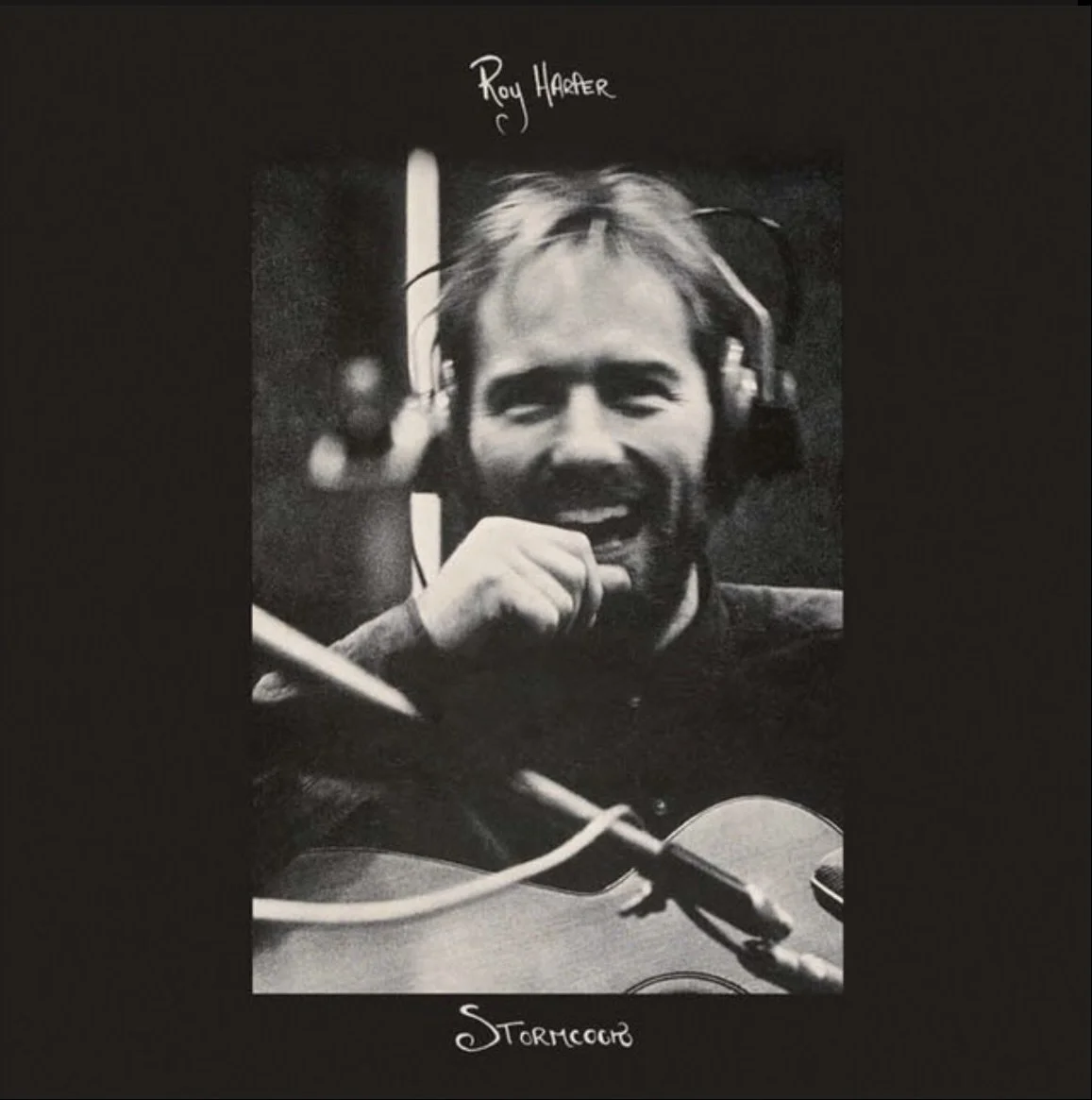
It's a brilliant song, the last one on the album. (There's only four tracks in total.) Roy Harper, if you're not aware, was very closely associated with Led Zeppelin and known for partaking in mind-altering substances. Yeah, that song is just really atmospheric, so good, and I can listen to it all day. It's absolutely spellbinding.
At the minute I'm just comfort listening. I'm just listening to stuff that's soft, you know, morose almost, quite sad. I think the last six months of creativity [finishing the album The Demise of Planet X] and then hitting the wall with it. It's in the can and then you're just left absolutely exhausted from it. So I'm just listening to a lot of stuff that makes me feel sorry for myself.
The Sleaford Mods playlist on Spotify is really eclectic. I’d have expected you to be into punk and post-punk and things like Wu-Tang Clan. But there's a Davey Graham track on there. And I know you're a big fan of jazz. There’s a mellow thing going on.
Yeah.
“I'm wrought with self-doubt when it comes to singing, but I'm trying to accept that it is what it is, and it works.” — Jason Williamson
‘Avon’, Queens of the Stone Age
3.
From Queens of the Stone Age
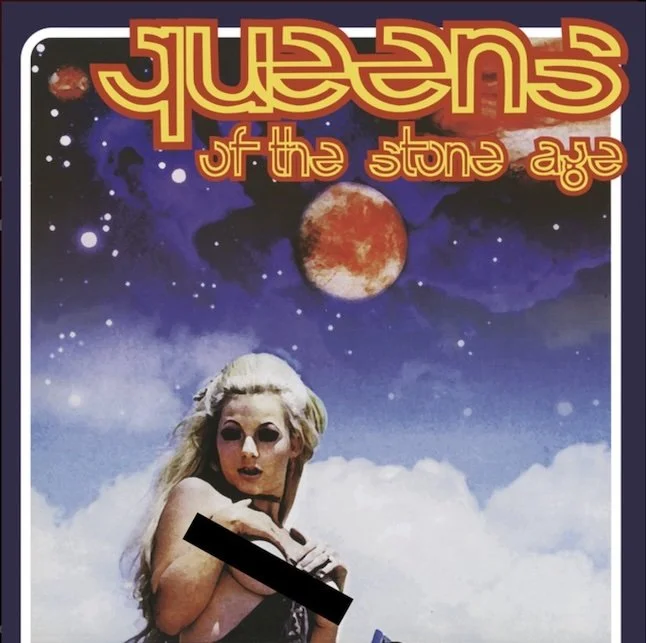
It's fucking rip-roaring. The whole album feels like one long continuous song. Some of the song structures [on the album] are really complicated, but really, really clever. But there's also this garage-punk thing going off, it's weird. Almost like a UK punk thing, like second-wave UK punk, like Discharge, GBH and The Exploited. So yeah, I was really into it a few months back. I’ve been going through all their back catalogue. The first album is one of their most powerful.
I was surprised to find out recently that you sometimes write with an acoustic guitar.
I just fall in love with the melodies, the vocal melodies, and so I try and find chords. I've got the vocal melody in my head first and so I try and find a chord to match each bit of that vocal melody. You know what I mean? The acoustic guitar is quite handy like that. I can then throw that idea to Andrew [Fearn] and he'll just turn it into something more complete.
You don't need to plug it in or have any paraphernalia. It's just there and ready to go.
Yeah, I can't be bothered with gear, I can't be arsed. I'm not technically minded, I never have been. I just use what's near me and what's available that I understand how to use. So a guitar, I can knock out a tune on it. I can figure out chords to melodies if I've got some in my head. It's just a platform to give to Andrew. If I just sent over a vocal it probably wouldn't be so clear, but if it's got chords underneath it then Andrew can just take those chords — he's really good at listening — and we can go that way.
My impression is that Andrew is incredibly tech-savvy; he's all over the engineering side of things.
Yeah, he's a very good engineer. He's a brilliant producer as well. He's also a multi-instrumentalist, so I'm laughing really.
‘This Year's Love’, David Gray
4.
From White Ladder
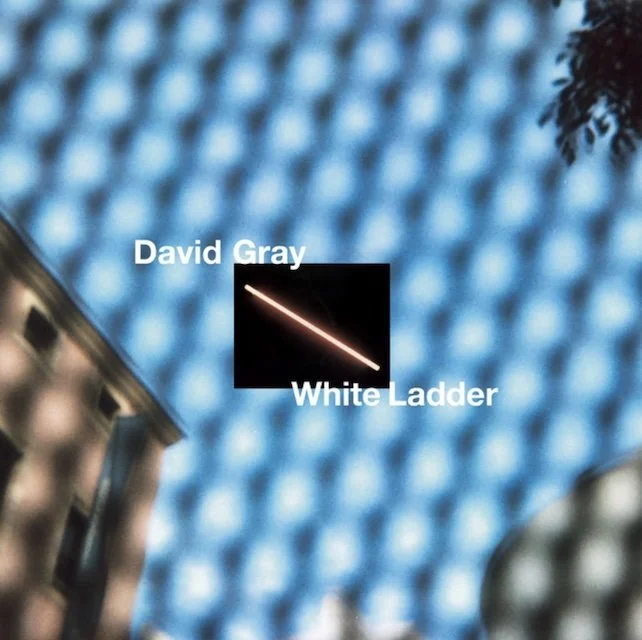
Again, going back to what I was saying about comfort listening. This is from the album White Ladder, which made him. I don't think he's bettered it since, has he? Well, he probably has bettered it, but commercially I think this was the swan song for him, wasn't it?
I think he made it in his bedroom.
That's interesting. Yeah, when [this album] came out I was immediately taken with it and never forgot about it. I go to it when I'm feeling a bit down and it really helps me, really comforts me. I think it's probably the best track on there. It's taken me a while to think it's the best track. I was listening to a lot of other tracks off the album that I considered to be better than this one, but it just changes, you know. I don't know if it inspires me, because I certainly don't sing like that. But yeah, it's a great song.
“Bobby Gillespie said to me recently, I think Kneecap are the new Sex Pistols and I just thought, fucking shut up.” — Jason Williamson
‘Crew Love’, Drake, The Weeknd
5.
From Take Care
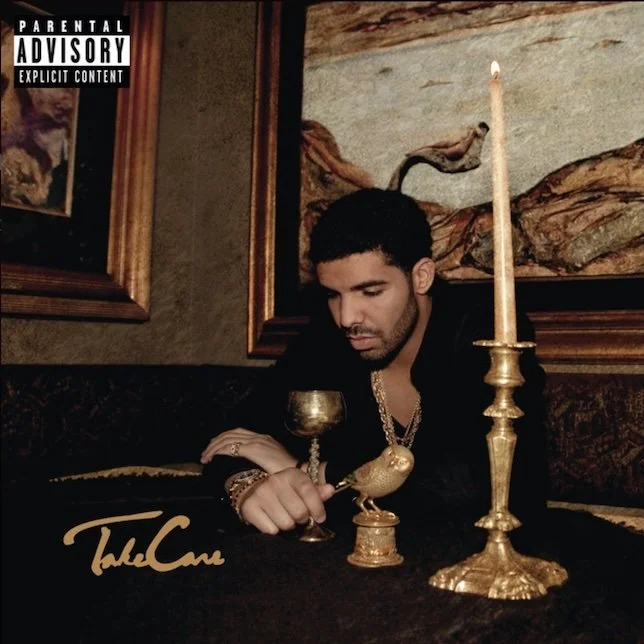
Drake is someone I got into just after lockdown when we started touring again. I started listening because everyone was raving about him. It's just so good how the Weeknd is singing and using swear words. It's really good. I found it quite inspiring, but obviously I can't sing as well as that guy.
I really enjoy singers that aren't technically very good, though. Their vulnerability comes through more. I'm thinking of something like Moe Tucker of The Velvet Underground, when she sang ‘After Hours’. When you sing it’s rough and sandpapery, but that's what I like about it. Purity of tone is only one aspect of singing.
That's very kind of you to say. I'm wrought with self-doubt when it comes to singing, but I'm trying to accept that it is what it is, and it works. That Moe Tucker vocal. It’d be considered not very aesthetically pleasing to the ear. But it’s perfect, isn't it? I think that's the other thing with vulnerable singers that are not gifted with this incredible voice. It's like they use what they've got close to them, and I think that in itself makes them just as good.
It makes me think of TV talent shows where contestants have got these extraordinary voices. They leap into soprano and everybody stands up and claps, but it just leaves me cold. It's the opposite of Moe Tucker, isn't it?
The thing with good singers is there's a familiarity to them, you feel close to them, you can understand them. Ian Brown, for instance, would frequently go out of key, but I always found it really powerful.
‘Treasure’, Aldous Harding
6.
From Designer

She should by rights be mega famous, but she doesn't want to be. She steps back from it. She's not bothered. It doesn't mean anything to her, which is brilliant. It's like fucking hell. She lives in this small fishing town in New Zealand, which she says is a shithole. She's like this enigma that's not an enigma. I had to get to know what she was. She did a live version of this song on KEXP in Seattle. It's written well. These songs [on Designer] are so powerful.
‘Luther’, Kendrick Lamar, SZA
7.
From GNX
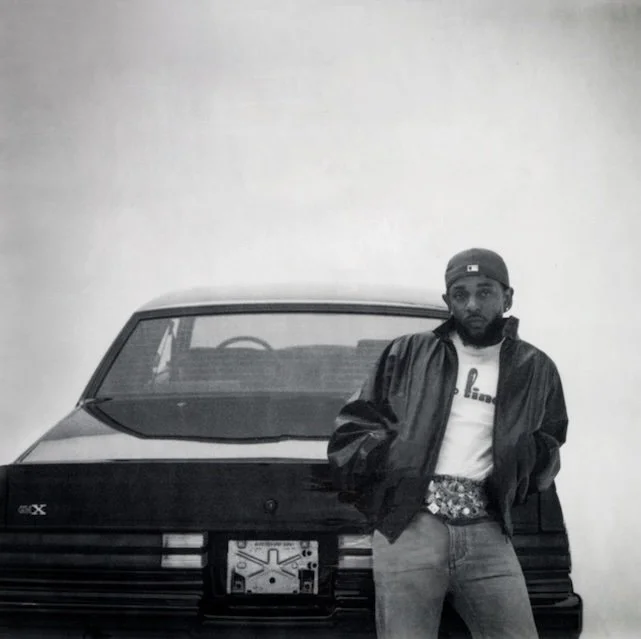
This is more for Sza's vocal and I should really go and find her stuff and listen to it. It's fucking rip-roaring. It's so reminiscent of everything I love about soul music. It's completely brilliant.
What was the first music that really spoke to you as a teenager?
Hands down, the Sex Pistols.
How old were you when Never Mind the Bollocks came out?
I was 6. No, 7 actually. I think it came out at 1977, didn't it? It was quite late on and by then they were on the road to ruin.
Do you remember hearing it when you were 7?
I remember something, this kind of constant backdrop, this energy, because they did really menace the United Kingdom, didn't they?
Yeah, the Bill Grundy interview must have been staggering. It was 6.30 on a weekday evening. Everyone was sitting down to watch a bit of TV. And then that happened.
Fuck yeah, completely. Yeah, it was quite horrible if I recall. It was beyond the idea of controversy. Bobby Gillespie said to me recently, I think Kneecap are the new Sex Pistols and I just thought, fucking shut up. There was this original sheen to the Sex Pistols that I don't think has been replicated since.
Yeah, they had this collective charisma and, as you say, this edge that felt really dangerous. John Lydon's talked about how he got beaten up countless times in London in 1977. It was around the time ‘God Save the Queen’ came out and there were all these royalist thugs who used to beat him up. Britain was quite an unpleasant place at that point.
Yeah, yeah.
Thanks so much, Jason.
Thank you, take care.
© 2025 State of Sound. All Rights Reserved
TAGS
RELATED
INTERVIEW
Interview with David Rea
3 January 2026