RANKING
Paul Simon's greatest solo albums, ranked! (Albums 5-1)
In the 14 studio albums Paul Simon has released since the end of Simon & Garfunkel, the singer-songwriter has been on an extraordinary creative journey. Here is part 2 of our ranking.
by David Rea
28 March, 2026
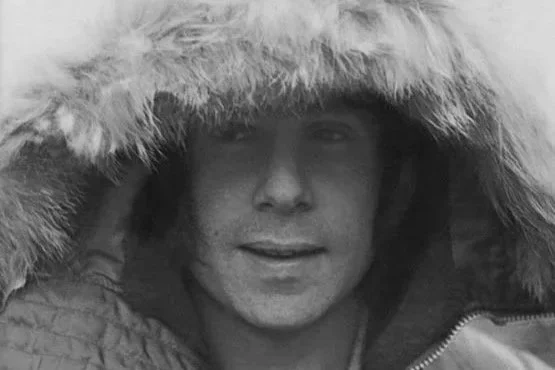
Photo: Close up of Paul Simon’s album cover for Paul Simon, 1972; CBS. Photo by P. A. Harper; Design: Ron Coro/John Berg
Still Crazy After All These Years
5.

‘I stepped into the shower one day,’ Paul Simon said of the album’s genesis, ‘and boom this line comes into my head… after all the success I'm back here: still crazy after all these years.’ With his marriage in trouble, Simon apparently took a lot of showers around that time. His wife Peggy Harper thought he might be trying to clean off the scent of betrayal. Later, Simon explained he wanted to scrub away the sadness.
The quality of Simon’s solo albums leading up to Graceland (save the disappointing One-Trick Pony) can be difficult to tell apart. But Still Crazy After All These Years stands out as a musical turning point, incorporating more elements of jazz than before. It gave his melodic dexterity new range. Bright hooks gave way to bewitching nuance, and the starry-eyed domestic happiness of There Goes Rhymin' Simon became gorgeous melancholy on Still Crazy After All These Years.
There are a couple of caveats. ‘You’re Kind’ was the closest thing Simon had written to filler in his career to date; and however good ‘My Little Town’ might be, the Simon & Garfunkel orchestral pop feels shoehorned into an album of such desolate understatement.
Heart and Bones
4.
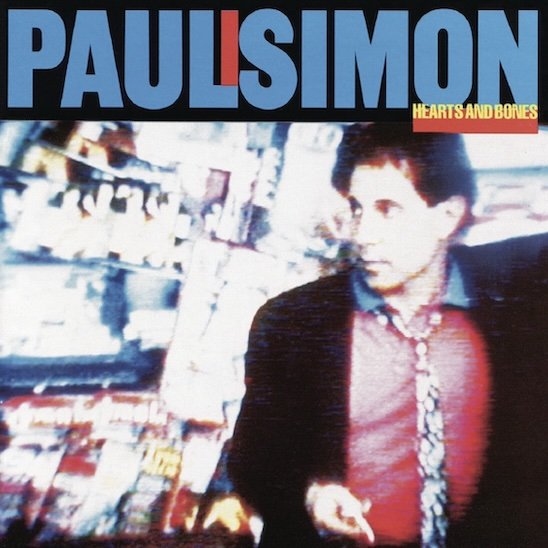
Paul Simon's life was on the up by the time of Hearts and Bones, at least on the face of it. He married Carrie Fisher in the summer of 1983 (the couple honeymooned after the album was finished), and Hearts and Bones was to be the first Simon & Garfunkel album since 1970. But these promises of emotional and artistic fulfilment were soon broken. As one of the album’s tracks puts it, ‘Everybody loves the sound of a train in the distance / Everybody thinks it’s true’.
‘Train in the Distance’ is one of three classic Paul Simon songs on the album — alongside ‘Rene and Georgette Magritte with Their Dog after the War’ and the title track — and there are plenty of other polished gems here too: ‘The Late Great Johnny Ace’ is a dark minor masterpiece; ‘Cars Are Cars’ is the only skippable moment.
The album’s wistfulness, romantic cynicism and mental muddle play well to Simon’s talents. The jazz-tinged melodies draw out unnamed emotions, and his agile lateral thinking — comparing a heart to a moon, life to numbers and culture to cars — clears away some of the shadows. In retrospect it all feels sadly prescient. When he first played ‘Train in the Distance’ to Carrie Fisher, he worried she would think it was about them. It was in fact about his first marriage to Harper, but it now seems to double as a heartbreaking reflection on his second to Fisher too. (The couple divorced less than a year after their wedding.) And perhaps the song ‘When Numbers Get Serious’, about nothing ever adding up, was also predictive. However much the world wanted it, Art Garfunkel’s harmonies were never going to fit together with this album’s highly individualised reflections. Hearts and Bones came out as a Paul Simon solo release, and deservedly remains a fan favourite.
There Goes Rhymin' Simon
3.
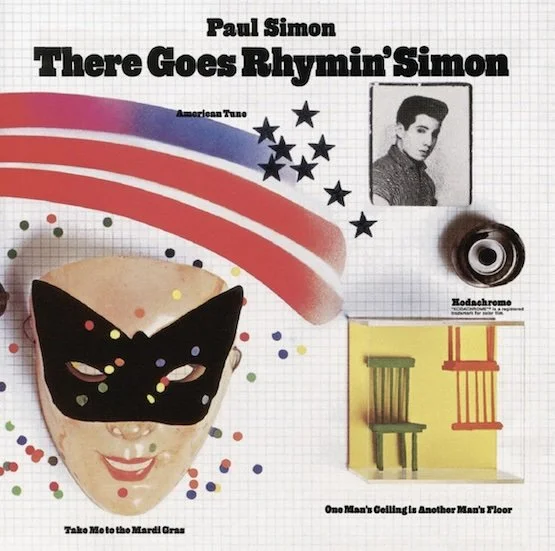
If Paul Simon’s eponymous debut album felt darkened by the fallout from the end of the 1960s and the Simon & Garfunkel break-up, then There Goes Rhymin' Simon was dappled in the sunlight of his secure marriage to Peggy Harper and their newborn son.
As always the musicianship is exemplary throughout (like most Paul Simon albums the list of personnel is almost as long as the index to a major biography); the Muscle Shoals Rhythm Section’s zest, in particular, perfectly conveys the album’s uplifting mood. ‘Was a Sunny Day’ and ‘Take Me to the Mardi Gras’ are so uncharacteristically sunny they almost sound inauthentic, much like Simon’s Caribbean-style accent on ‘Was a Sunny Day’. ‘St. Judy's Comet’ is as heartfelt a lullaby as you're likely to hear (‘Cause if I can’t sing my boy to sleep / Well, it makes your famous daddy look so dumb’), and ‘Something so Right’ is one of the rare moments Simon admits to simple happiness, the song’s uncertainty only making the contentment feel hard-won.
If all that wasn't enough, Simon also throws in ‘American Tune’. Outside the nursery window, America was in turmoil. Written in the final years of the Vietnam War, and released roughly at the midpoint of the Watergate scandal, the dreamy hymn recognises a country full of doubt, but finds hope in its historical resilience.
Paul Simon
2.
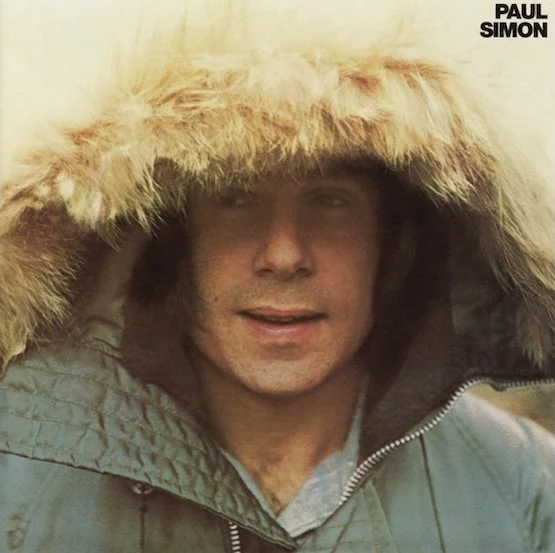
Like John Lennon/Plastic Ono Band and Neil Young’s On the Beach, Paul Simon’s eponymous solo album of 1972 grapples with the end of the 1960s. After the gargantuan success and stately sparkle of Bridge over Troubled Waters, we find Simon head in hands, suffering a hungover or comedown. But look closer, and he is still smiling as bashfully and playfully as he is on the album cover.
The album describes the side effects of taking uppers and downers, the physical toll of a hedonistic lifestyle and the mental burden of persistent paranoia. In between, there is the joyfully mischievous storytelling of ‘Duncan’ and ‘Me and Julio Down by the Schoolyard’, the quixotic ‘Peace Like a River’ and the folksy ‘Hobo’s Blues’. Musically, the album freely roams between folk, blues, reggae, Latin and singer-songwriter material, without ever sounding patched together. This is far from a lo-fi production, yet it feels of a piece with Paul McCartney’s eponymous rustic solo effort — particularly on ‘Everything Put Together Falls Apart’, when we hear Simon turn his head away from the microphone. Can we also hear a smile in his voice at that moment? Despite the hangover, he wasn’t beaten yet.
Graceland
1.
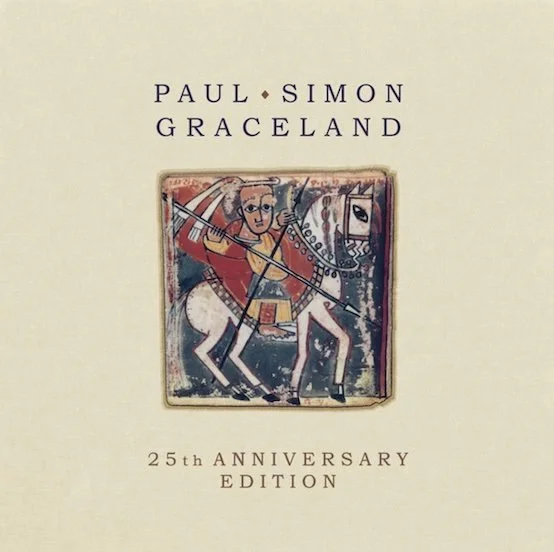
There are albums which become so much part of the furniture of our lives we stop noticing them. Trying to find old receipts in car glove compartments or battered cardboard boxes, we often turn up an old tape or CD of Fleetwood Mac’s Rumours, Michael Jackson's Thriller or Paul Simon’s Graceland. ‘It’s one of those albums where, except for the last song, everyone knows every song,’ Paul Simon told Rolling Stone in 2013. ‘Once in a while, that can happen.’ Graceland turned out to be a once-in-a-lifetime album.
Listen through any artist’s decades-long discography, you'll eventually hear them rewriting the same songs. Few produce something at once truly inspired and brand-new later on in their canon. Leonard Cohen did it on I'm your Man, and Tom Waits on his mid-80s junkyard trilogy, but arguably no one combined a mid-career masterpiece with a radical left turn quite like Paul Simon on Graceland.
The album is a bit like being in that ‘taxi heading downtown’ on ‘Gumboots’, listening to Paul Simon’s exuberant gibberish and inspired musicality. You’re left wondering if the person sitting next to you is a genius of some kind, or simply having ‘a little bit of a breakdown’. Either way, it's a privilege to be along for the ride.
© 2026 State of Sound. All Rights Reserved