RANKING
Paul Simon's greatest solo albums, ranked! (Part 1)
In the 14 studio albums Paul Simon has released since the end of Simon & Garfunkel, the singer-songwriter has been on an extraordinary creative journey. Unlike several of 1960s contemporaries, his music has undergone a major transformation. Here is part one of our ranking.
by David Rea
21 March, 2026
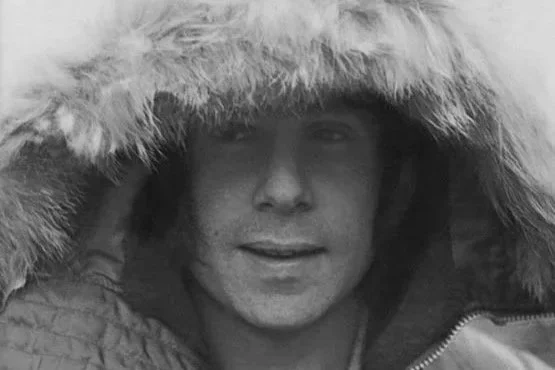
Photo: Close up of Paul Simon’s album cover for Paul Simon, 1972; CBS. Photo by P. A. Harper; Design: Ron Coro/John Berg
One-Trick Pony
10.
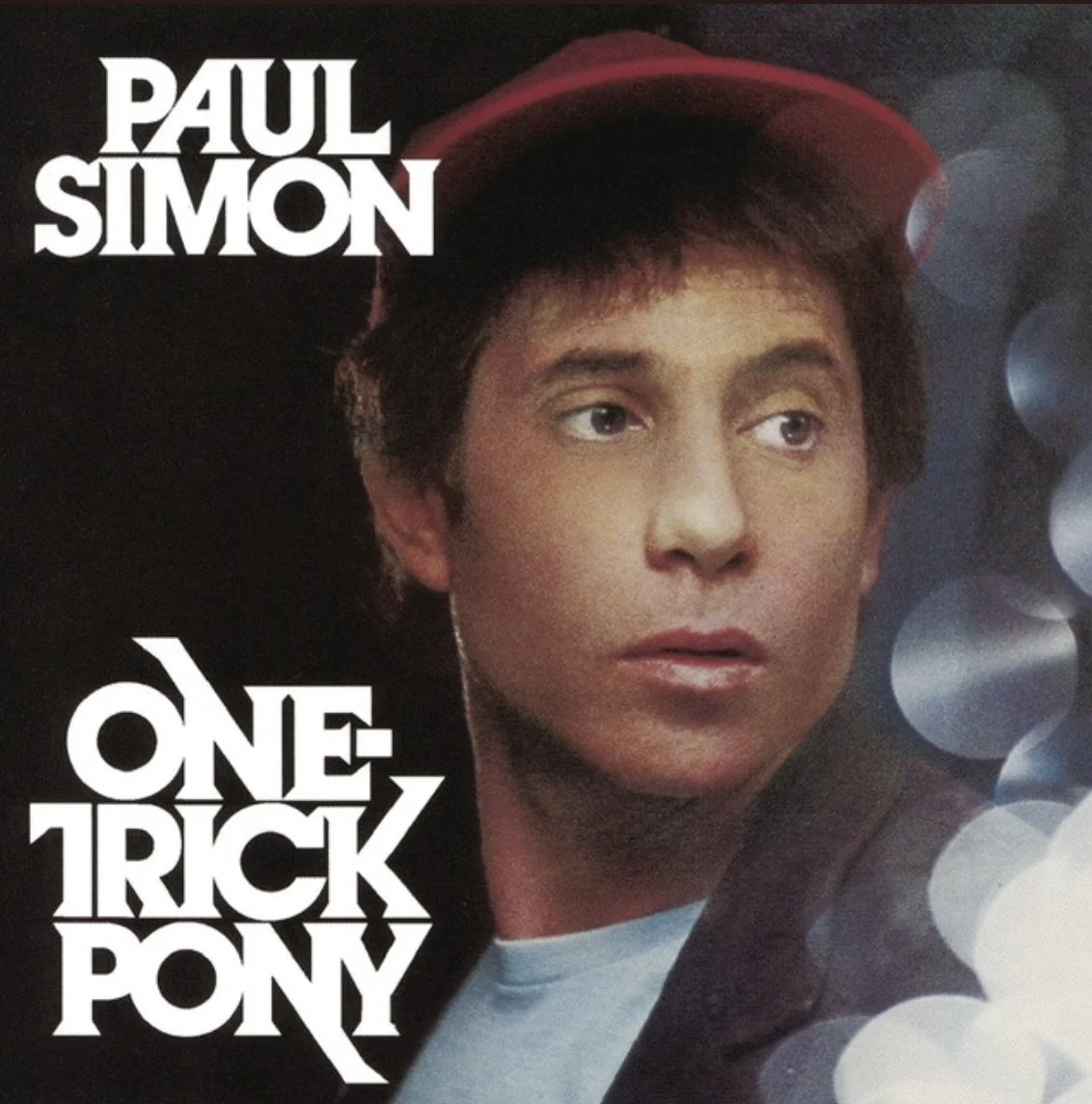
Paul Simon told Rolling Stone in 2013, ‘I don’t even remember most of the songs [on One-Trick Pony], except for ‘Late in the Evening’.’ But the album is less forgettable than Simon suggests. It conjures a world of flickering neon on rainy streets, televisions hot from overuse and people in dive bars making late-night phone calls to estranged lovers. ‘How the Heart Approaches What It Yearns’ and ‘Long, Long Day’ express the loneliness and isolation of Edward Hopper’s America, where the American Dream is forever out of reach. True, the album’s mellow jazzy tunes aren't always particularly memorable, but the well-crafted lyrics stay long after the songs have ended. The playing throughout is exquisite too, with Eric Gale and Hiram Bullock in particular giving their guitars all the subtle expression of a human voice.
In the same Rolling Stone interview, Simon said the album marked a turning point: ‘There’s a line in ‘Oh, Marion’ that was very important. “The boy’s got a heart / But it beats on the opposite side.” That showed me a new way to write, where the lyrics were more abstract’. While his contemporaries Bob Dylan and John Lennon steadily moved away from streams of surreal imagery towards more straightforward storytelling, Simon travelled in the other direction, increasingly doing away with cohesive narratives in favour of fragmented imagery. One-Trick Pony was one of several small turning points as he approached the great career intersection of Graceland.
The Paul Simon Songbook
9.
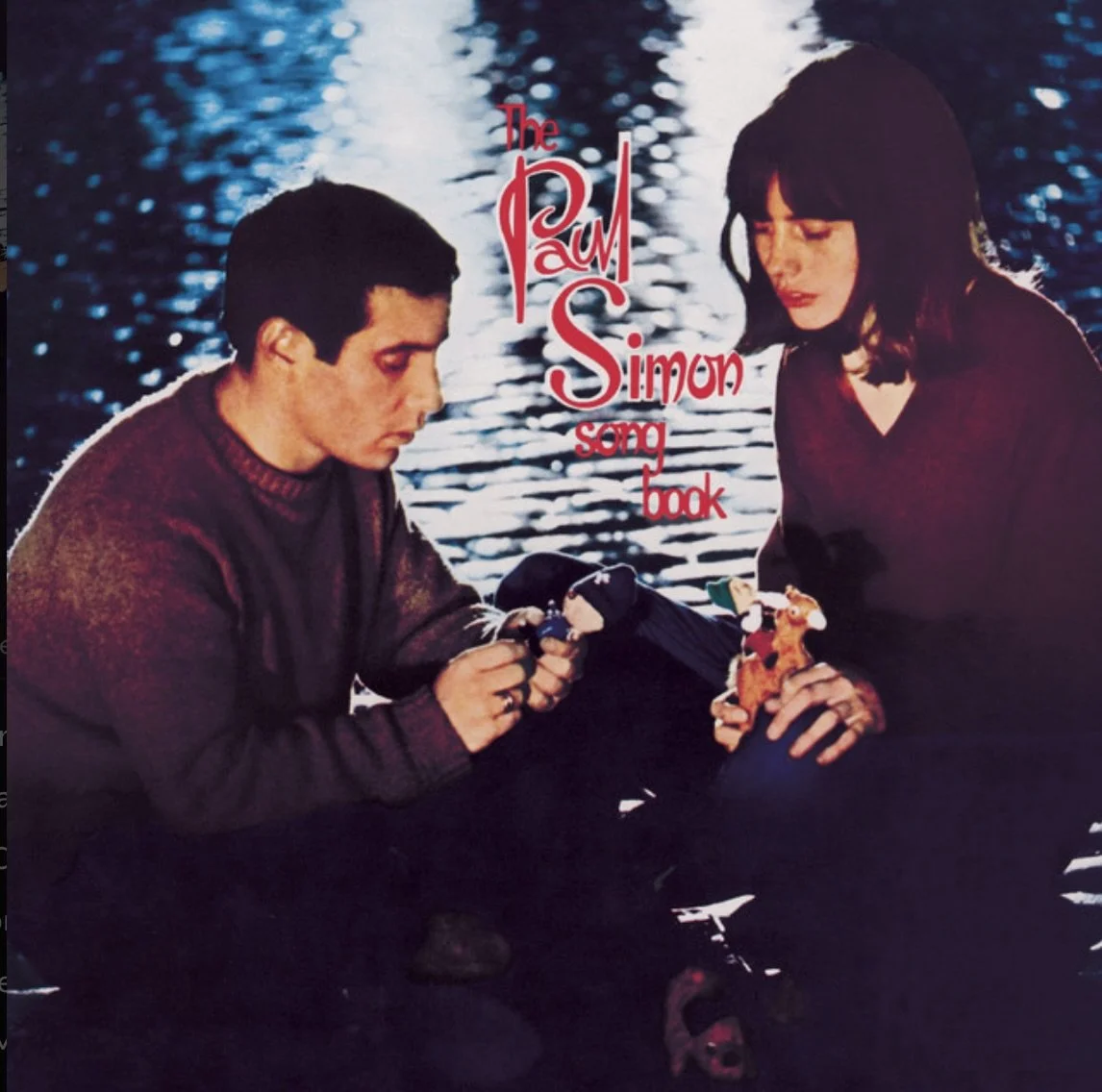
In the early 1960s Paul Simon tried to make it in the British folk club scene. Carrying the mystique of a bona fide American folk singer, he went on self-financed tours of one-night stands, finding a bed where he could and pushing for stage time by writing pleading letters to folk club managers. ‘I couldn't believe how brilliant he was,’ Harvey Andrews remembered in Singing from the Floor: A History of British Folk Clubs. ‘I sat down a couple of rows back and this guy sat on a stool and he started. I can remember what he sang — ‘A Church Is Burning’, ‘He Was My Brother’, ‘A Most Peculiar Man’ and ‘The Sound of Silence’… his guitar technique was like an orchestra to us.’
Simon’s ornate guitar flair and relentless hustling paid off with a performance on the BBC and the chance to record at British CBS London studios. The resulting album The Paul Simon Songbook is a time capsule for the left-leaning folk revivals on both sides of the Atlantic. The inspiration Simon provided for the likes of Harvey Andrews was returned in spades. The guitar introduction to ‘The Side of the Hill’ owes a debt to British folk guitarist Davy Graham’s ‘Angi’. The tune would later provide the countermelody to ‘Scarborough Fair’.
The album is also a fascinating footnote in Simon & Garfunkel’s discography. Accompanied only by an acoustic guitar, several songs sound like rough demos of the duo’s polished masterpieces, and without Art Garfunkel’s crystalline voice the album in general, and ‘April Come She Will’ in particular, sound a little grey. But these bare bones are plenty strong enough to stand alone, sounding austere and earnest on their first outing in the spotlight.
Stranger to Stranger
8.
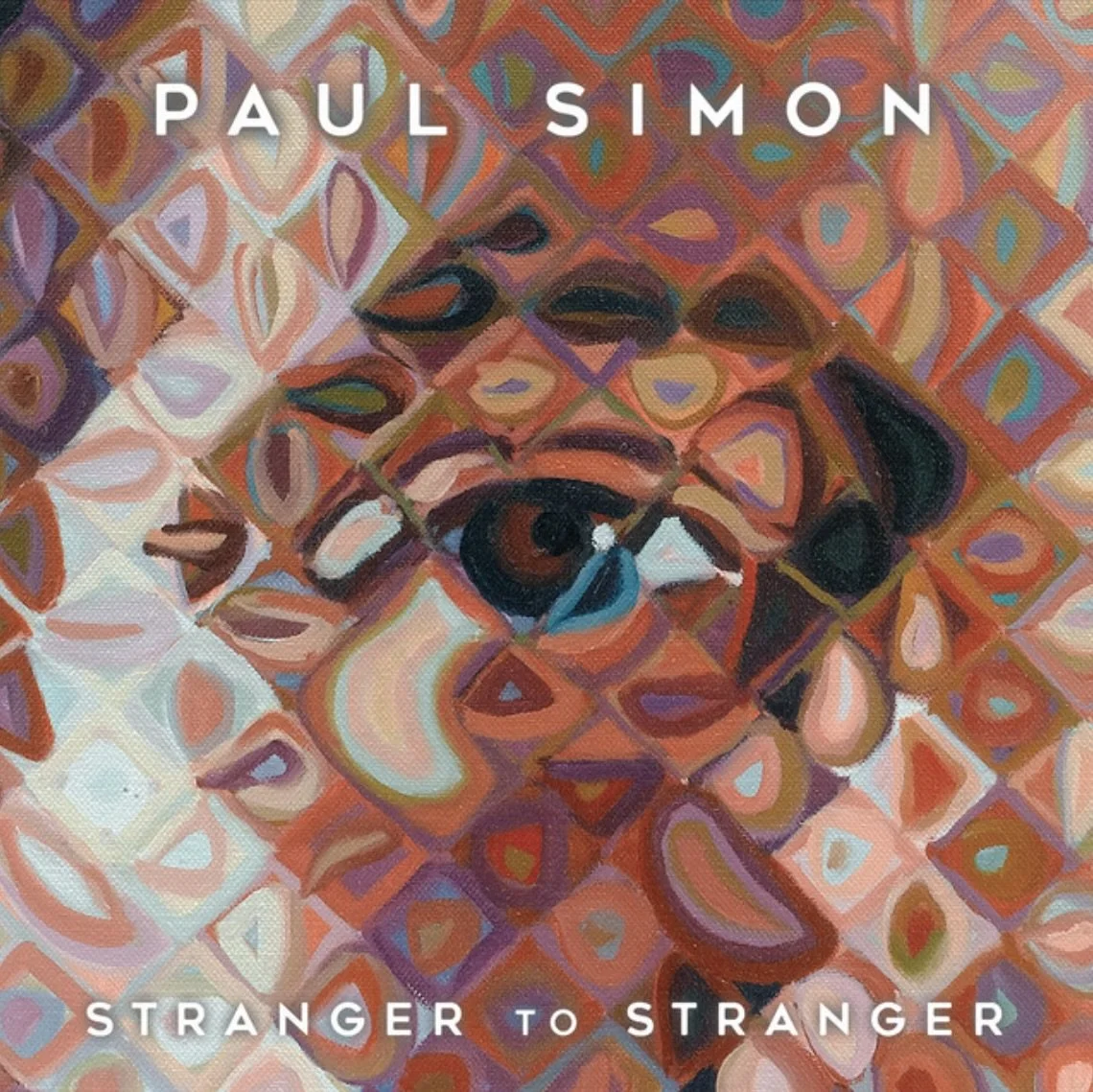
Five years after So Beautiful or So What comes its little sibling, Stranger to Stranger. Simon is still gazing misty-eyed towards the dying of the light, but he is a little more aware his boots are covered in modern life’s detritus. Like its predecessor, this album showcases the full range of Simon's talents. The two musical rivers of his solo career to date flow together — the 1970s languid soft pop with the polyrhythmic cut-and-paste word collages.
Paul Simon’s songwriting intelligence is everywhere. Strung together with a lively bassline and threadbare narrative, ‘Wristband’ sharply observes our cluttered world of screens and arbitrary rules, while ‘Cool Papa Bell’ grooves along exuberantly, its stream-of-consciousness gobbledygook lyrics managing to sound like compelling philosophy.
The Rhythm of the Saints
7.
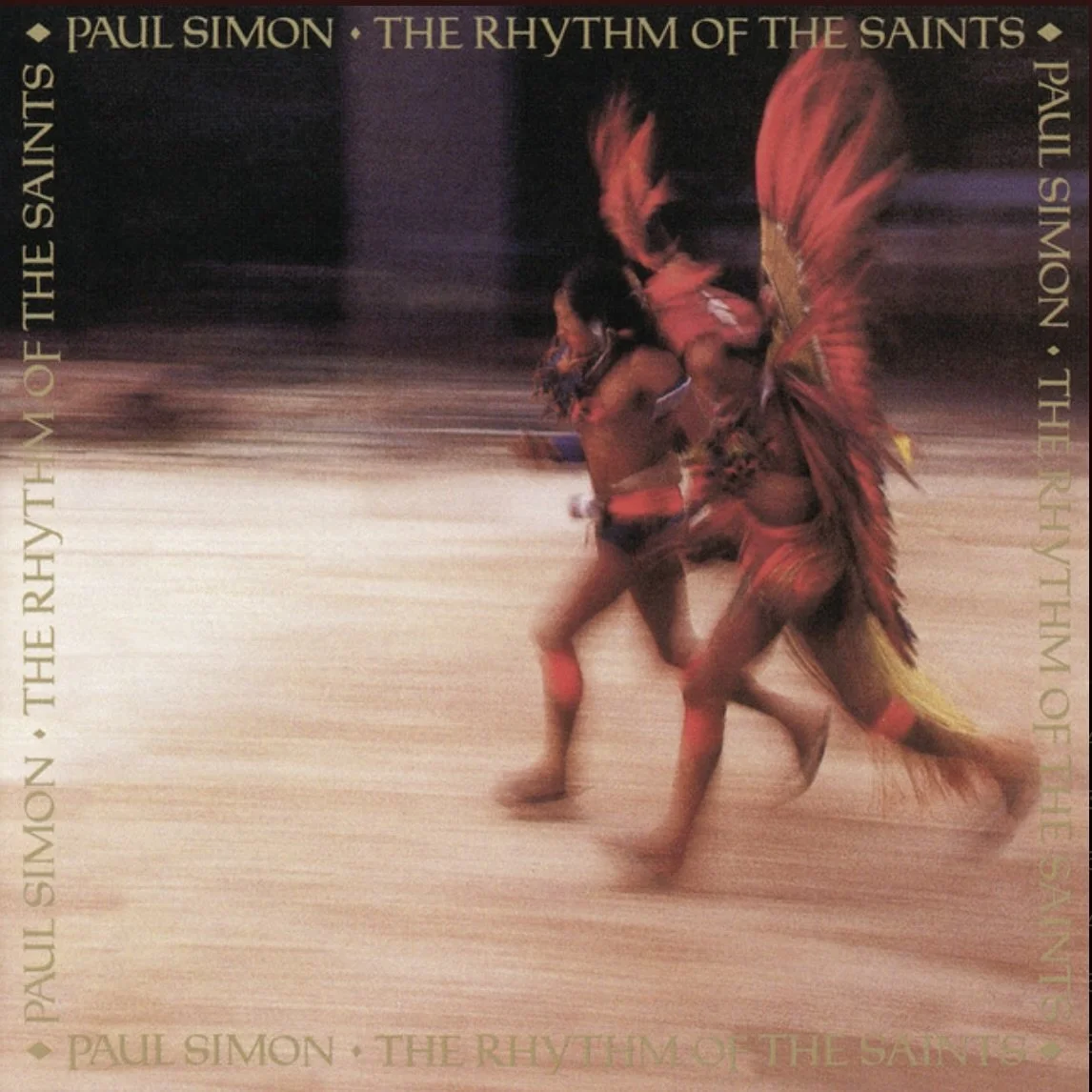
With talent-scouting expeditions to Europe and South America, nearly 100 singers and players employed and a budget of around $1M, Rhythm of the Saints had the air of an ethnomusicology experiment, or the production of a doomed Hollywood epic. The four-year silence which followed 1986’s Graceland had felt a little stunned, as though Simon were concussed by its success, its radical musical re-orientation leaving his head spinning. Where do I go now? In the end, he travelled deeper into the music beyond America’s shores, letting go of commercial concerns.
During his field research trips in Brazil Simon collected samples of drumming. Later in New York he let their rhythms suggest melodies and lyrics. It is a process you can hear everywhere: the tunes dance to the beat and the words are as percussive as they are semantic. So deeply rooted in rhythm, it was always going to pale beside Graceland’s luminous tunes. But there is a unique hot-and-sticky tropical tranquillity to Rhythm of the Saints, and those rhythms flow on and on, carried by warm unhurried breezes.
So Beautiful or So What
6.
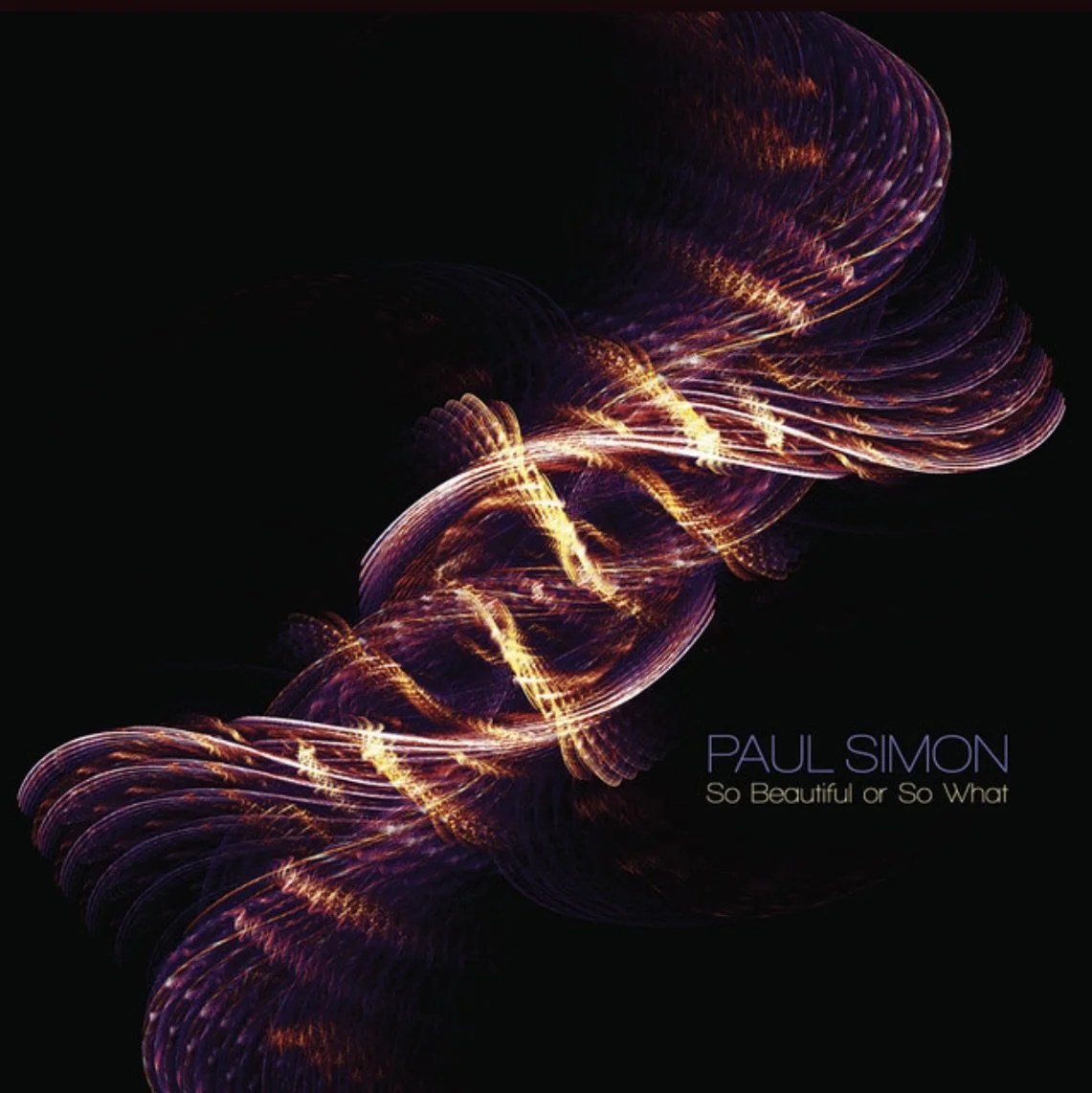
Eternity is probably best considered through the prism of a pretty song, and few can take on forever in a pop tune better than Paul Simon. He was already exploring the grand theme when he was barely out of adolescence, on tracks like Simon & Garfunkel’s ‘Voices of Old People’ and ‘A Hazy Shade of Winter’. But by the time he got to So Beautiful Or So What, he’d understood the heaviest subjects spring to life when treated lightly.
Again and again, he weaves the sacred together with the profane, situating our deepest longings within life's narrow confines and bitter realities: shopping for love in a bargain store, a pilgrim with torn sneakers crossing Brooklyn Bridge. Widely considered his best since Graceland, the album led to a critical rehabilitation and sent him out on the road for nine months.
The final word has to go to the song ‘The Afterlife’ and its closing image: a fragment from an old pop song travelling unheard through endless space. Even Paul Simon’s widely beloved discography will vanish in the expanse of infinity. It is an idea typical of Simon, whose beautiful mind has always been in the clouds, but whose feet have remained firmly on the ground.
The second and final part of our ranking, Paul Simon's greatest solo albums, will be published on 28 March.
Bibliography
Bean, JP, ‘Singing from the Floor: A History of British Folk Clubs’ (Faber & Faber, 2014)
Hilburn, Robert. ‘Paul Simon: The Life’ (Simon & Schuster, 2018)
© 2026 State of Sound. All Rights Reserved
RELATED
22 November 2025