MAKING A MASTERPIECE
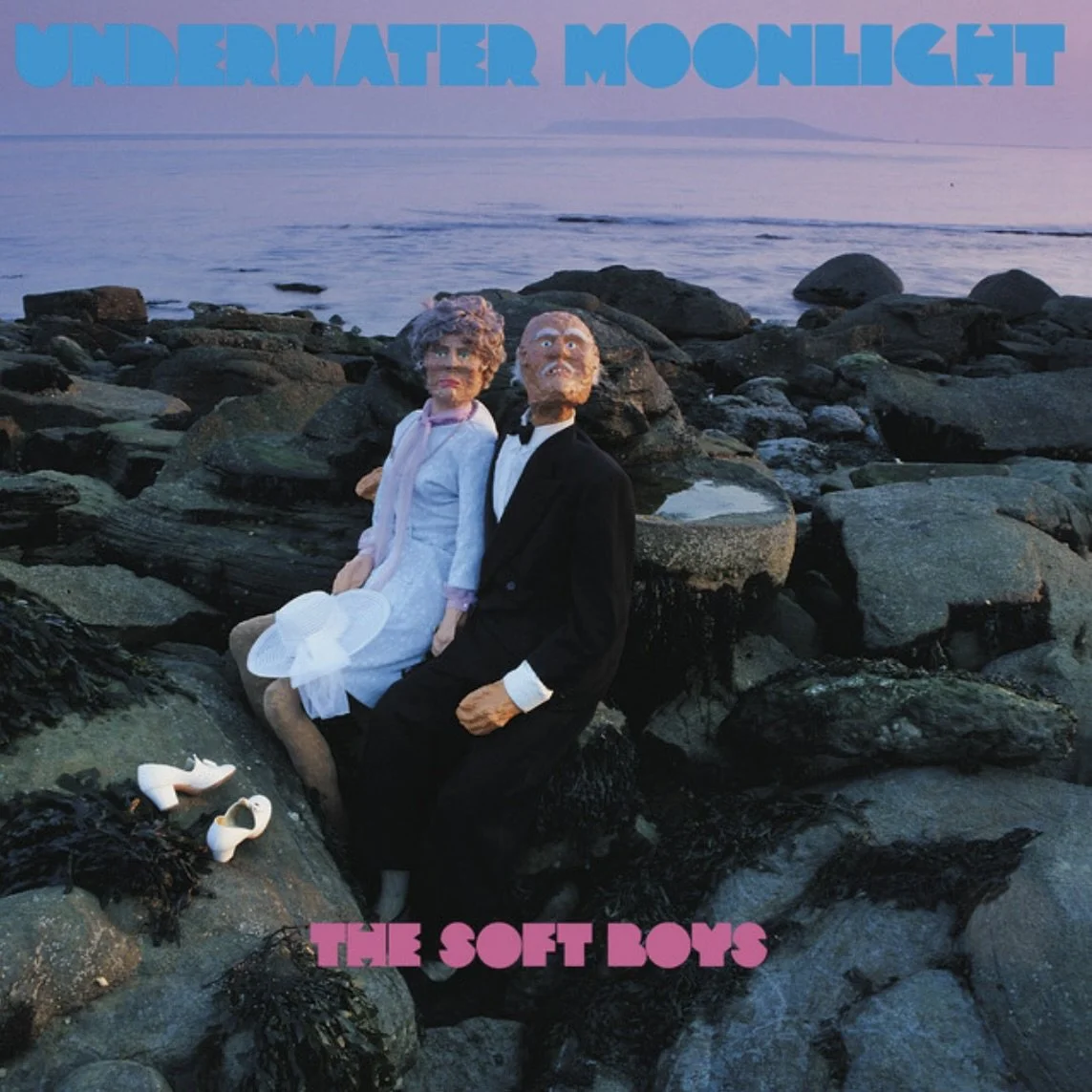
‘I pictured the Soft Boys as bloodless, spectral entities’: how the Soft Boys made Underwater Moonlight
Made in a grey and broken Britain, the Soft Boys’ Underwater Moonlight refracted sparkling 1960s power pop, providing a foundational text for 1980s neo-psychedelia and alt-rock.
by David Rea
3 July 2026
THE YEAR IS 1979, the place Cambridge. As the leaves fall from Midsomer Common’s chestnut trees, the Soft Boys are rehearsing on the second floor of an old boathouse. For a small city, Cambridge has witnessed the artistic genesis of titans: this is where Nick Drake studied English Literature, smoked vast amounts of marijuana and re-tuned his guitar in search of distinctive melodies; it's also the birthplace of Pink Floyd’s psychedelic adventures and where Syd Barrett lived out much of his later life in seclusion. The Soft Boys are a long way from entering that small but hallowed hall of fame. They are in their mid-20s and skint, without a manager or record deal.
As the band’s stop-start rehearsals interrupt the peaceful flow of the nearby River Cam, it's hard to believe that less than a year before, rat-strewn rubbish and unburied coffins piled up during Britain’s Winter of Discontent — helping to pave the way for Margaret Thatcher to become Prime Minister the following spring. Soon she and Ronald Reagan will begin to drag the UK and the USA to the Right, and the USSR will invade Afghanistan. ‘The geopolitical tide was turning dark,’ Hitchcock recalled on his Substack. ‘Things felt bad outside.’ Hitchcock captured the foreboding climate in ‘I Wanna Destroy You’, Underwater Moonlight’s opener, written in the same autumn as the boathouse sessions. It was, according to Hitchcock, ‘…a protest song against human nature…[and]…our own diabolical impulse to destroy.’
Hitchcock moved to Cambridge in the middle of the 1970s with the express purpose of forming a band. Before first-wave British punk exploded, went mainstream and burnt out, Hitchcock remembers the city as an Inbetween Land of ‘hippie wreckage’ and ‘Cambridge druggies’. ‘The momentum of the 1960s is spent but the pendulum has yet to begin its dismal swing back to the Right.’
‘1975 seeps into 1976. Beneath the beards and hair and flares and cheesecloth shirts, tectonic forces are at play: soon Punk Rock will be upon us. My cast of roommates as bandmates gives way to a more serious crew, Dennis & the Experts (I was Dennis: "Beatle Dennis - lovely to meet you"), who in turn metamorphose into The Soft Boys. We pass through the Summer of Hate in 1977, and then almost get a major label record deal in 1978. By now, we have roadies and a few fans too.’
Robyn Hitchcock, Underwater Moonlight & the Green Bass, Substack
“Despite the grey economic outlook, The Soft Boys were summoning a microclimate of creative possibility, refracting bright power pop sunshine from the 1960s.”
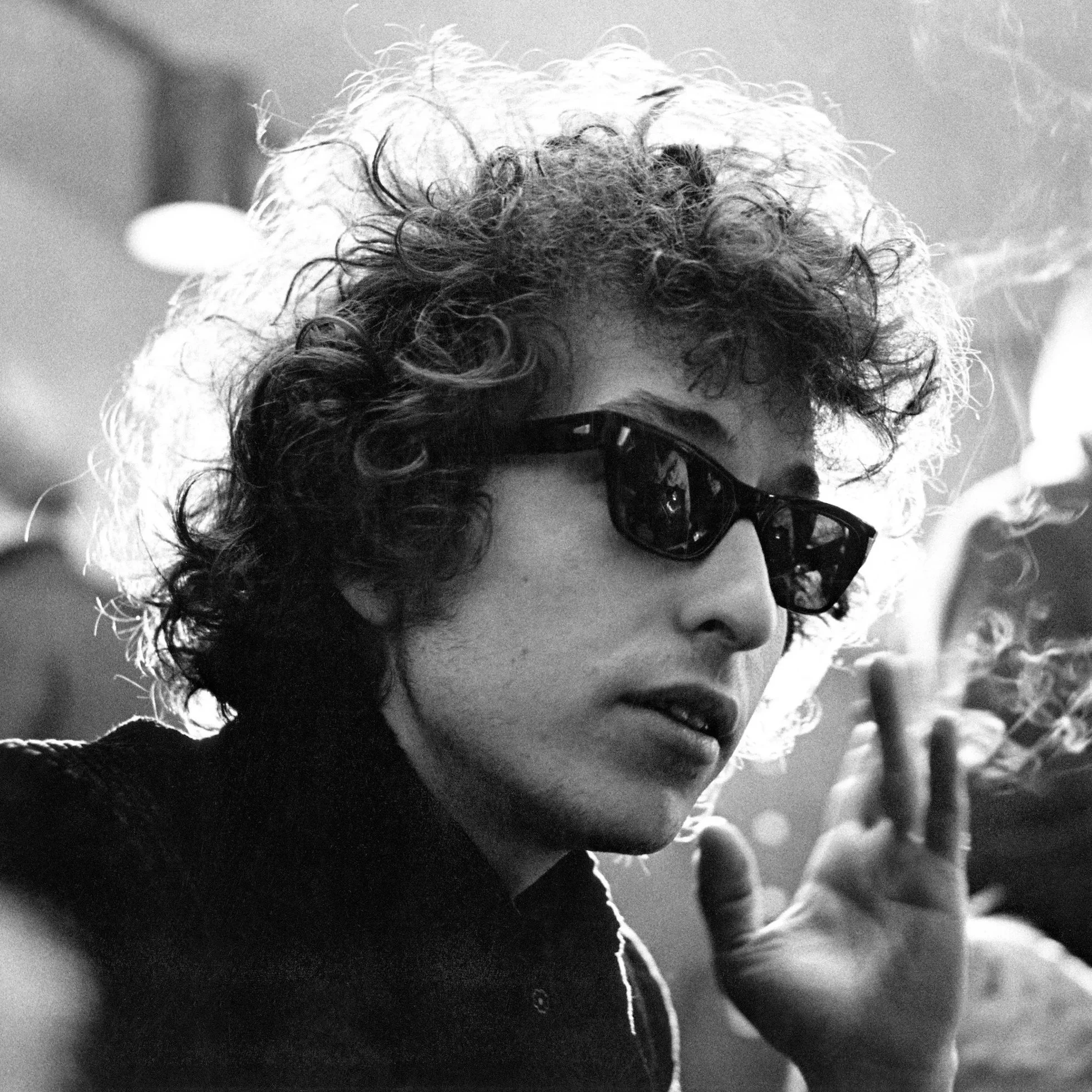
The true beginning of Underwater Moonlight, however, was probably in the second half of the 1960s, when Hitchcock first encountered the life-changing influences which would shape the album. In his luminous memoir, 1967: How I Got There and Why I Never Left, Hitchcock recalls hearing Bob Dylan’s ‘Highway 61 Revisited’ for the first time while sweeping the floor at Winchester College: ‘As I push the broom around the swirl of casual trash on the floorboards… he sings about Mack the Finger and Louie the King and the thousand telephones that don’t ring….’ To the influence of Dylan’s mid-1960s surrealistic torrents, Hitchcock would soon add John Lennon, Syd Barrett and Captain Beefheart. And then there were The Beatles.
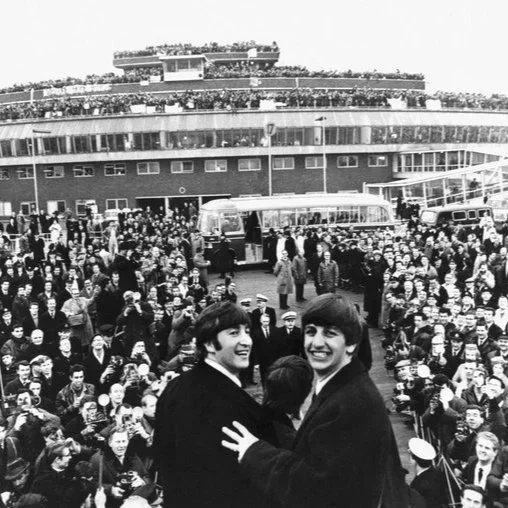
‘A lot of people kind of bleached out their Beatles roots,’ Hitchcock told Life of the Record in April 2026, ‘so groups like XTC, Elvis Costello & The Attractions and Squeeze, I think of them all as basically Beatle bands, but they all started out sounding quite punky or at least kind of sped up and angsty, you know? And then once those days had worn off, their Beatles roots began to come out more. And the same went for us, I suppose.’
As rain clattered against the boathouse windows that autumn, Britons watched Are You Being Served and Charlie's Angels on TV, in front rooms wallpapered in brown and orange and clouded with cigarette smoke. The country was somewhat broken and clapped-out. Inflation and unemployment were high and the unions were soon to celebrate their 10th anniversary of being extremely pissed off. Despite the grey economic outlook, however, at the boathouse The Soft Boys were summoning a microclimate of creative possibility, refracting bright power pop sunshine from the 1960s. Arrangements fell together through unspoken intuition and three-part harmonies combined with little effort. Matthew Seligman was adding what Hitchcock called ‘an elastic bounce’ to the band and Hitchcock himself coming up with lyrics on the hoof. ‘After a nine-year apprenticeship I was finally beginning to write songs that were more than a collection of words and arrangements.’ The sessions yielded ‘Insanely Jealous of You’ and ‘Underwater Moonlight’.
“Underwater Moonlight received some BBC airplay, but its influence spread via narrower channels deeper underground.”
STATE OF SOUND
Your Backstage Pass to Music History
Founded & Edited by David Rea
State of Sound provides the best in-depth coverage of music history. Travel back in time to groundbreaking eras and scenes. Get closer to iconic music and the trailblazers who made it. Claim your backstage pass to music history now by signing up for our free newsletter.
Sign up for our free newsletter, Get exclusive content
Get all the latest from State of Sound delivered straight to your inbox. Only newsletter subscribers receive our Muso Playlists and Hidden Classic recommendations.
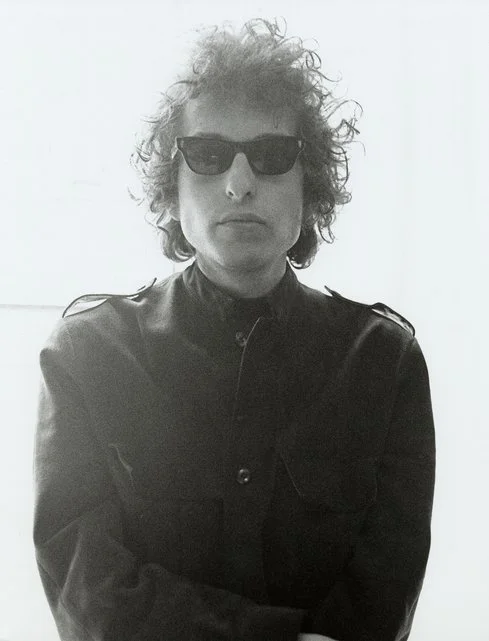
Photo: Bob Dylan; credit: Pictorial Press Ltd / Alamy
Recording began at Alaska Studios, a decrepit dungeon under the arches opposite Waterloo Station, which registered the noise of the trains grinding overhead. Of the ideological chasm between the self-indulgent opulence of the first half of the 1970s and punk’s new DIY ethos, the sessions fell squarely into the latter. There was just a 4-track and instruments bled into one another, but Alaska had the sound the band wanted and it was cheap to record there (Hitchcock remembers writing a cheque for £30 after the first session). The studio smelt so badly of fungus, alcohol and cigarettes that Hitchcock later joked he had to fumigate his Telecaster. The sessions at the boathouse in Cambridge had helped turn the band into a well-oiled machine, enabling them to record most of the basic tracks live.
That first session gave the band a version of ‘I Wanna Destroy You’ good enough to keep. The song might have partly sprung from contemporary geopolitical tensions, but it was lit up in rainbow harmonies, staggered by force of necessity — as the other Boys understood what Hitchcock was singing, they joined in. Producer Pat Collier was adept at handling the results. ‘His wizardry at the 4-track tape machine enabled him to bounce two guitars, bass and drums down to stereo,’ Hitchcock explained, ‘and garnish that with three double-tracked voices: Kim’s, Morris’s and mine’. It sounded brand-new. Punks had been reiterating the past since their beginning, of course, drawing from a rich stock of 1950s rock 'n' roll, 1960s garage rock and 1960s-1970s proto-punk, but the spiky upstarts would have spat at the idea of 1960s multi-part harmonies and guitar jangle and chime. When David Fricke first saw The Soft Boys live in December 1978, they sounded like ‘nothing else in London that season’. ‘The band’s valiant jangle and glassy vocal harmonies blowing through the room with cleansing force’.
Sessions moved to Wimbledon, where an 8-track studio had been ill-fitted into a terraced house: tracking took place in the living room with a mixing desk in an upstairs bedroom; soundproofing consisted of mattresses duct-taped to the walls, and the cats which populated the house became the band’s first groupies. The scuzzy locale once again proved fertile ground, producing in February 1980 ‘Kingdom of Love’, ‘Positive Vibrations’, ‘Insanely Jealous’, ‘Tonight’, ‘Queen of Eyes’ and ‘Underwater Moonlight’.
Having bagged good reviews, the band flew to New York to play seven shows towards the end of the summer of 1980. ‘I remember playing the album for some friends at the time,’ Hitchcock said, ‘younger kids who had been in a punk band called the Users. I heard it through their ears — and it sounded lame… But when I heard it again with my own ears I knew it was great.’
Underwater Moonlight received some BBC airplay, but its influence spread via narrower channels deeper underground: kids pressing the vinyl enthusiastically into friends’ hands, and American college radio broadcasts. It would soon become a foundational text for 1980s neo-psychedelia and alternative rock, influencing everyone from The Replacements to R.E.M..
‘I pictured the Soft Boys as bloodless, spectral entities that could slide under locked doors, all but invisible yet capable of enormous influence.’ Hitchcock's original science-fiction vision of the group proved prescient. The album is now a widely acknowledged classic, and The Soft Boys have gained belated cult status, but their influence far outstrips their visibility in music history. With the release of Underwater Moonlight (45th Anniversary Remaster) in 2025, one hopes that will change. Because that Cambridge boathouse and those fungal and cat-laden studios were not only unlikely places for the Soft Boys’ music to germinate, but also significant junctions in the story of rock 'n' roll.
© 2026 State of Sound. All Rights Reserved
David Rea
David Rea is a journalist who writes about the intersection of music, culture and history. He is the founder and editor-in-chief of State of Sound. His fiction has recently been featured in Oyster River Pages and Catamaran Literary Reader, and long-listed for the Commonwealth Short Story Prize. He is currently writing a history of British popular music and a historical novel set in the USSR and Hollywood during the interwar period. He lives just outside London with his wife and two sons.
Photo: Arthur McLachlan Rea